
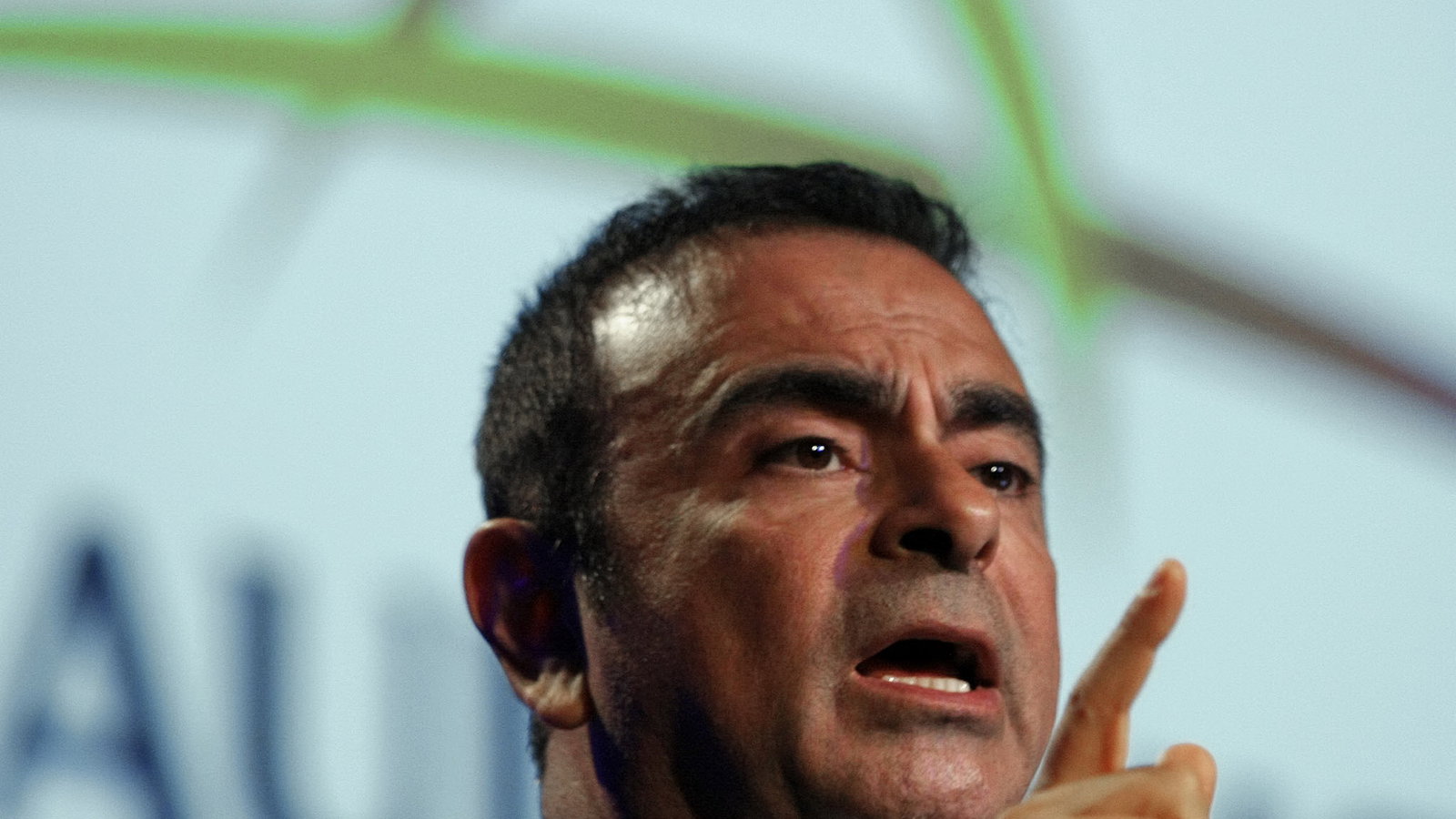
“The plant (in Mioveni i.e.) can grow but we need to make sure it won’t do it at the expense of competitiveness. It so happens that when a plant grows too much too fast it loses some of its competitiveness,” Ghosn said.
The plant in Mioveni might one day assemble a Renault model but there is no need to do it for the time being. Renault manufactures the M0 platform in Romania because it would not be competitive if manufactured in Western Europe, he added.
Dacia assembled more than 342,000 cars last year, its highest volume ever. However, Ghosn says the plant is efficient but not immune to problems, for which reason it must stay competitive especially when it comes to manufacturing costs.
“If we have higher manufacturing costs in Romania, that won’t be a good thing for the Romanian economy. We are all concerned about it.”
Yet many plants remain competitive even if wages increase. This comes from an improvement in efficiency, productivity, organization and manufacturing processes. Everyone knows wages will go up in the emerging countries, that is normal. The important thing here is to have systems in place when wages go up that are efficient enough to offset this increase, Carlos Ghosn told ZF during a Renault Group event ahead of the Paris Motor Show.
Ghosn is one of the most powerful executives in the automotive industry worldwide and this is not the first time he mentioned competitiveness, costs and wages of Renault in Romania. A year ago, for instance, he said Mioveni and its rival plant in Tangiers, Morocco were similarly competitive and is now bringing it up again.
Renault built the plant in Tangiers precisely because of the very good results of the plant in Mioveni and that plant is becoming very competitive, too. Both are focusing on the M0 Logan platform, Ghosn says, and production in Tangiers will not remain at merely 150,000 cars a year for too long.
Renault compares its plants’ competitiveness by looking at the platform used for the models assembled there so Mioveni is compared with Tangiers not with the plants in Spain and France.
While the average gross wage in Mioveni is about EUR950, in Turkey, at the Bursa plant, it stands at EUR925, while at the Russian plant in Moscow it amounts to EUR920 and in Tangiers is EUR340, according to Les Echos. Under the circumstances, Renault continues to invest in Tangiers and in training the employees there.
(English version by Loredana Fratila-Cristescu)