
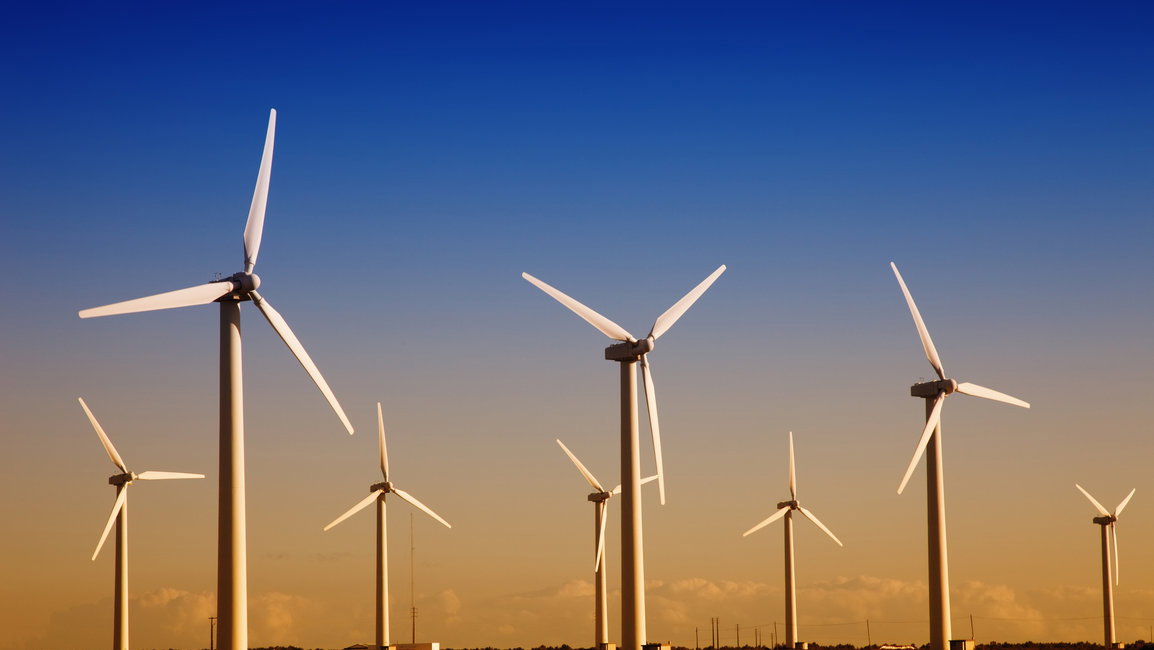
One of the growth drivers is the entry on the market of wind turbine servicing, following the opening of a spare parts center in Constanta.
Emanuel Muntmark and the group he created are behind some of the most important local wind farm developments, later bought by CEZ (Czech Republic) and OMV Petrom. The biggest wind farm project in Romania, CEZ’s EUR1.1 billion investment in 240 turbines in Fantanele and Cogealac (Dobruja, SE Romania) was designed by Monsson.
“Monsson Group’s revenue was slightly higher in 2014 compared with 2013. We expect to see an over 20% increase in revenue in the next two years,” says Sebastian Enache, Monsson development director.
Monsson Group currently operates in more than 20 countries and has offices in Stockholm (Sweden), Capetown (South Africa), Istanbul (Turkey), New Zealand and Qatar. It will also open an office in Warsaw, Poland in September.
Monsson’s development plans in Romania include the opening of a spare parts center to serve wind farms in Constanta County, the area where 70% of the about 1,500 wind farms in Romania are. While in service, which lasts about 20 years on average, a turbine has to have its blades and gearbox undergo maintenance every other year, because those are the most likely components to break down. A set of blades costs EUR300,000 and a gearbox costs EUR500,000.
“This can be a EUR375 million business over 20 years. About 15% to 20% of a wind farm budget goes towards maintenance and repairs,” Enache added.
Green energy was the only industry that saw a steady growth during the crisis, with about EUR7 billion invested in 2009-2014, especially in wind farms and solar parks. The investment in the sector was driven by the generous support scheme put in place by the government. The government curtailed support in 2013 and renewable energy investments plummeted.
Enache says that every company that invested in Romania’s green power sector is disappointed with the legislative changes, which caused the sector to stagnate in the past two years. One needs a bit of faith here, he says, because things will not go on like this for much longer, as Romania will still need foreign investment and development of its renewable energy sector.
The curtailed support for clean energy investments was one of the reasons why Monsson decided to expand abroad, since it has not sold any projects since 2013. Still, Enache says he hopes the local green energy market will recover in two or three years.
Monsson invested more than EUR200 million in building and operating wind farms and photovoltaic. It also has its own 100 MW wind farm. It has developed more than 2,400 MW of wind farm capacity, over 1,000 MW of which already built and operational.
(English version by Loredana Fratila-Cristescu)