
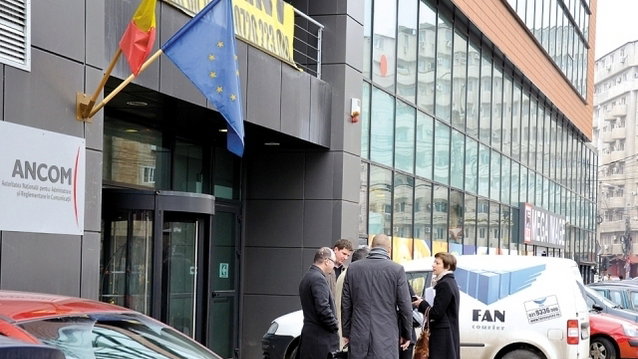
The stake of the auction is huge because the operators’ services, revenue and profits until 2029 depend on how many pieces of the spectrum they will get. The more they win, the faster they will be able to launch a number of services at a higher quality and speed.
An operator planning to exit Romania would also need as many frequency blocks as possible to negotiate the best price. The potential market over which the operators compete is worth about EUR40 billion until 2029, according to ZF estimates.
Under the circumstances, each telecom giant participating in the auction assembled a team for the project, involving almost all of its departments, the most important of which are the regulation, technical, financial and legal departments.
The people in these teams had to attend tens of meetings, conference calls with shareholders and devise dozens of scenarios for the auction in PowerPoint presentations instead of taking a vacation.
The tension surrounding the auction is huge, not just because of the long-term implications but also because the financial stake is significant. An operator may end up paying as much as EUR200 million at the end of the competition.
Under the circumstances, project teams are under additional pressure from the headquarters of Cosmote, Orange and Vodafone. Managers from headquarters are keeping an eye on the developments in Romania from a distance but also come to Bucharest for meetings and evaluations. Cosmote is probably feeling this pressure the most, considering it has two headquarters to report to – OTE’s in Athens and Deutsche Telekom’s in Bonn.
The tension was only made worse by the postponement of the auction by several months because of the government change in May. The new cabinet headed by Victor Ponta was late in passing the decision greenlighting the auction. Moreover, many on the market had wondered for a while whether Ponta would replace Catalin Marinescu, head of the communication’s market watchdog ANCOM.
Under the circumstances, the operators are reluctant to provide details about who is in charge of the projects. This is also because ANCOM bound participants via the conditions of the contract to observe strict rules about public communication on the issue.
Still, the names are largely known.
Orange, the leader of the local telecom market, entrusted this project to Dorin Odiatiu, its public affairs, partnerships and wholesale director. He has been working for Orange since 1997.
Vodafone chose Florina Tanase, its senior director regulatory, legal & corporate affairs. She was recruited from A&D Pharma Group this year, where she had been the vice-president in charge of all the legal and corporate affairs in Central and Eastern Europe. Her previous employment includes a three-year position as legal and regulatory compliance director of UPC, one of the largest competitors on the local cable TV market.
RCS&RDS, a company built by businessman Zoltan Teszari of Oradea (NW Romania), appointed its development director Valentin Popoviciu to handle the auction project. Popoviciu’s first job with RCS&RDS was branch manager in Constanta. The operator’s yearly revenue stands at more than EUR700 million a year.
(English version by Loredana Fratila-Cristescu)