
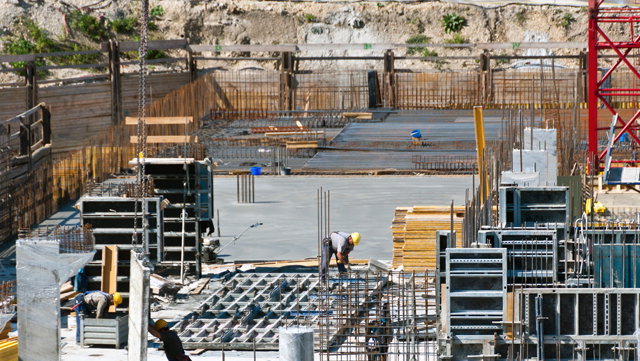
Two of them, Timisoara Plaza of Israeli-held Plaza Centers and Timisoara Centrum, a project supervised by Ali Ergun Ergen have been announced in the past month. The third, developed by South Africa’s NEPI on the former site of the Dermatina plant might be completed this year, following EUR80 million investments.
“Besides the fact that Timisoara has virtually no unemployment and is one of the very few cities of Romania that did not feel the crisis, our data show that we have currency surplus every month,” says Aura Junie, the official in charge of Timisoara City Hall’s Development Department.
“This means spending is higher here than the incomes in the area. Lots of Serbs and Hungarians come to Timisoara for shopping on weekends, it is an overpopulated shopping area.”
Timisoara is the second most important center of Romania’s economy after Bucharest, the seat of a county where almost 200,000 people work for companies with more than 45 billion lei (EUR10 billion) revenue, ahead of Cluj, Constanta, Brasov and Iasi.
People in Timisoara are among the highest-paid in Romania, as the average income in the county stood at more than RON1,900 in April 2015, with virtually no unemployment.
“Timisoara is the city (…) with the most dynamic economy in the country and a sound climate for serious long-term investment,” explains Ali Ergun Ergen, who is developing the Timisoara Centrum, a EUR80 million investment, along with an Alpha Bank division.
After ten years during which Iasi businessman Iulian Dascalu dominated the shopping center market in Timisoara, because he owned the only big modern retail space in the area, the three new projects are going to eat into his market share. He will fight back by expanding his retail business there with a EUR220 million project taking up 594,000 square meters – Openville, which will include his already existing mall, office buildings, entertainment facilities and a park area.
(English version by Loredana Fratila-Cristescu)