
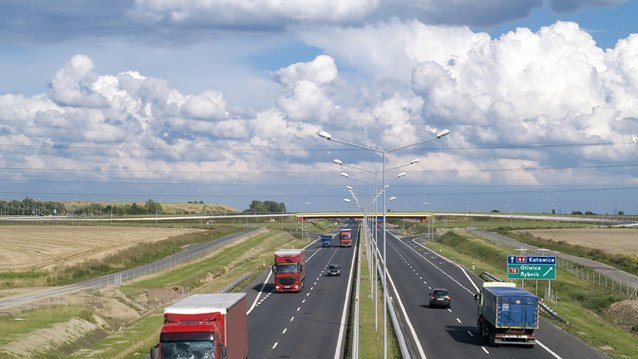
The highways tendered last summer were Lugoj-Deva, sections 2, 3 and 4 (28.6 kilometers, 21.1 kilometers and 22.1 kilometers, respectively), Timisoara-Lugoj, section 2 (26 kilometers) and Gilau-Nadaselu (8.7 kilometers).
The contract for Gilau-Nadaselu (NW Romania) will be signed with Spedition UMB and Tehnostrade controlled by Dorinel Umbrarescu soon, after all petitions challenging the tender result were addressed.
On the other hand, the three sections of the Lugoj-Deva highway tendered in the summer of 2012 are still in the bid assessment phase.
“The public procurement procedures for the design and construction of the Lugoj-Deva highway, sections 2, 3 and 4 are now in the bid assessment phase,” said Mircea Pop, interim general manager of Romania’s national company in charge of highways and national roads (CNADNR).
Although ZF did ask, CNADNR did not provide any information about when the bid assessment should end. As it often happens with highway tenders, bidders file petitions challenging various issues, so it will most likely take a few months until a winner is announced.
The Lugoj-Deva highway will get about 430 million lei (EUR100 million) funding this year, according to information recently published on the government website. Most of the money will go to the first section of the highway, which should be completed this year, as the contract says. It had been 42% completed by last November and the builders had received about EUR59 million of the EUR162 million contract.
The contract for the second section of the Timisoara-Lugoj highway will be awarded at least a month or two later that it should have, because one of the bidders, Selina, filed a petition challenging the result of the contract award procedure in mid January.
Whereas the tenders organized last summer have yet to find a winner, in 2011, when CNADNR held tenders for 183 kilometers of highway on the European Corridor IV, the winning bidders were announced in about a month.
It is not really clear how the government will fund the highways currently subject to tenders, considering the 2013 investment budgets were slashed.
While Gilau-Nadaselu is to get funding from the government, the remaining four sections that have no builder chosen yet are 85% financed with European funds, as they are located in the European Corridor IV. The road infrastructure funds are currently pre-suspended and a decision about unfreezing them will be made in a few months, according to information in the media.
Moreover, the government has recently published a list of the main infrastructure projects to be paid for with state budget funds and none of the projects awaiting conclusion of the tenders are on it.
The Lugoj-Deva highway included on the government’s priorities list in 2013, will see the money going to the section under construction and not the rest of the sections awaiting contract awarding.
CNADNR got 95 bids for the 107 kilometers of highways divided into five sections for which it held tenders last summer. Competition was therefore much tighter than in 2011, when it got 64 bids for 183 kilometers divided into nine sections.
Bidders include Romanian-owned companies Spedition UMB and Straco Group, and foreign companies: Tirrena Scavi (Italy), FCC Construccion (Spain) and Strabag (Austria).
CNADNR is also waiting for bids for the 58-kilometer Comarnic-Brasov (central Romania) highway contract. The deadline was set for end February.
Another highway for which CNADNR has to organize a tender is Nadlac-Arad section 1, after having terminated the contract with Romanian-held Romstrade and with Portugal’s Monteadriano Engenharia e Construcao, citing delays in construction.
(English version by Loredana Fratila-Cristescu)