
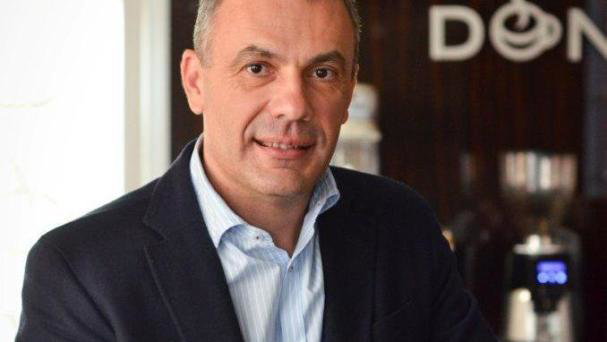
“I think the market will see much healthier growth over the next five years, though at a low rate. This is happening because consumption in Romania is still low and we have not reached the European average,” Marius Melesteu, general manager of the company told ZF.
He added the market increased until 2008 and almost doubled within a decade.
Coffee consumption amounts to 2.3 kilos per capita in Romania compared with a European average of 4.8 kilos, according to ZF data.
“The year 2011 was horrible because prices went through the roof. 2012 was a better year because prices went down somewhat.”
Melesteu says coffee prices will not go up that much this year because there is no significant increase in the green coffee price.
Last year saw a rebound in coffee consumption, which went up 6% in volume compared with 2011, according to ZF data. The market amounted to EUR380 million in value, up 10% on 2011, according to Doncafe’s producer.
Strauss Romania and Cafea Fortuna are the only two companies still owning large coffee packaging plants in Romania. Mondelez Romania (Jacobs) and Nestle (Nescafe) do not package their coffee in this country.
Strauss Romania posted losses in 2012 and its boss is optimistic and hopes to see it return to profit soon.
The company’s plant in Bucharest exports about 5% of total production to Bulgaria, the Republic of Moldova and Hungary. Melesteu says he would like to boost exports, but is focusing on the nearby markets for the time being.
“The most important thing is the local relevance of the product,” says the manager to who also runs Strauss’ Central and Eastern European operations.
The Romanian branch of Strauss Coffee BV is the largest in the region, with annual sales close to 10,000 tons of coffee, according to the data provided by the company. Second largest is Serbia, with sales of some 9,000 tons a year.
The Central and Eastern Europe region includes Romania and Serbia, where Strauss has packaging facilities, and the export countries (Bulgaria, Republic of Moldova, Montenegro, Bosnia Herzegovina, Albania and Macedonia).
About 46% of Romanians prefer ibrik-brewed coffee, says Melesteu citing an ISRA Center survey, while Western Europeans prefer coffee makers. On the other hands, when going out, Romanians choose espresso-type coffee.
“This percentage has been relatively constant in the last few years. I could say espresso slightly increased. There is a penetration of home espresso machines using either pods or beans though low.”
Romanians prefer the same taste as the average Europeans do, which is Arabica coffee or a mix of Arabica and Robusta. Bulgarians, on the other hand, prefer a higher content of Robusta, Melesteu says.
(English version by Loredana Fratila-Cristescu)