
The time ahead of Easter generates about 5% of the total sales of a year, less than December, which accounts for 10% to 15% of the total spending in modern retail, EUR9 billion.
“Easter sales are lower than Christmas sales,” said Daniela Sima, marketing director of Selgros Cash & Carry Romania, one of the largest competitors in local modern retail.
The preliminary data supplied by retailers show Easter sales were similar or slightly higher than last year, which means the news of a value added tax cut for foods as of June did not encourage Romanian consumers to spend more.
The trend of the Robor, used as a reference for the cost of leu loans left people with more disposable income, after dropping by more than 1% to about 1.5%. In other words, this decline translated in 20 lei (EUR4.5) savings or two loaves of Romanian sweet bread (cozonac) in the budget of a customer who is also repaying RON400 to RON500 per month on a loan.
The average net wage has risen by about 7% in the past year. Romanian consumers spent almost RON120 billion on food, clothing, home appliances, furniture and fuel in 2014, 0.5% more than in 2013, while the gross domestic product rose by 2.8%. Analysts are even more optimistic about this year and estimate over 3% economic growth. Banca Transilvania economists expect as high as 4.1% GDP growth this year.
An important indicator of consumer spending at Easter time is the number of lambs butchered, which is lower in 2015 than in 2014.
One of third of the lambs born in Romanian farms during the year are butchered over several weeks ahead of Easter, generating an estimated EUR100 million revenue for local sheep farmers.
“There might be fewer than 3 million lambs butchered this year due to a low purchasing power. As much as 4 million to 5 million were butchered in the previous years, but consumers went for poultry instead,” says Eugen Gontea, chairman of the Federation of Mountain Sheep Breeders, a local organization of sheep farmers.
Romania had 9.4 million sheep at the end of last year, 3.2% more than in 2013, according to Eurostat. It is the third largest sheep farmer in the EU after UK and Spain.
Romanians in Romania buy about 7.4 million loaves of Romanian sweet bread and about 700,000 Romanian Easter cakes (‘pasca’), according to the data bakery industry association Rompan supplied to Mediafax.
Romanian sweet bread and Easter cake are the most popular sweets at Easter time, followed by chocolate eggs and bunnies.
“The best-sellers of this past week are the Easter products such as sweet bread, eggs, lamb, egg dye and candles, as well as products used in cooking such as sugar and vegetable oil,” said Teodora Juravle, communication and marketing manager of Carrefour, one of the largest retailers in Romania.
Selgros officials, too, say meat and sweets are the best sellers in their stores at this time of the year.
“Usually what sells at this time of the year is lamb, ‘drob’ (a traditional Romanian Easter dish resembling a lamb terrine) or ground meat, Easter sweets such as chocolate bunnies and eggs, as well as red wines,” Selgros representatives said.
Wine sales rose ahead of Easter, with several million bottles sold at this time of the year. Easter holidays generate about 20% of the yearly wine sales, according to market data.
One of the most important product categories at this time of the year is eggs.
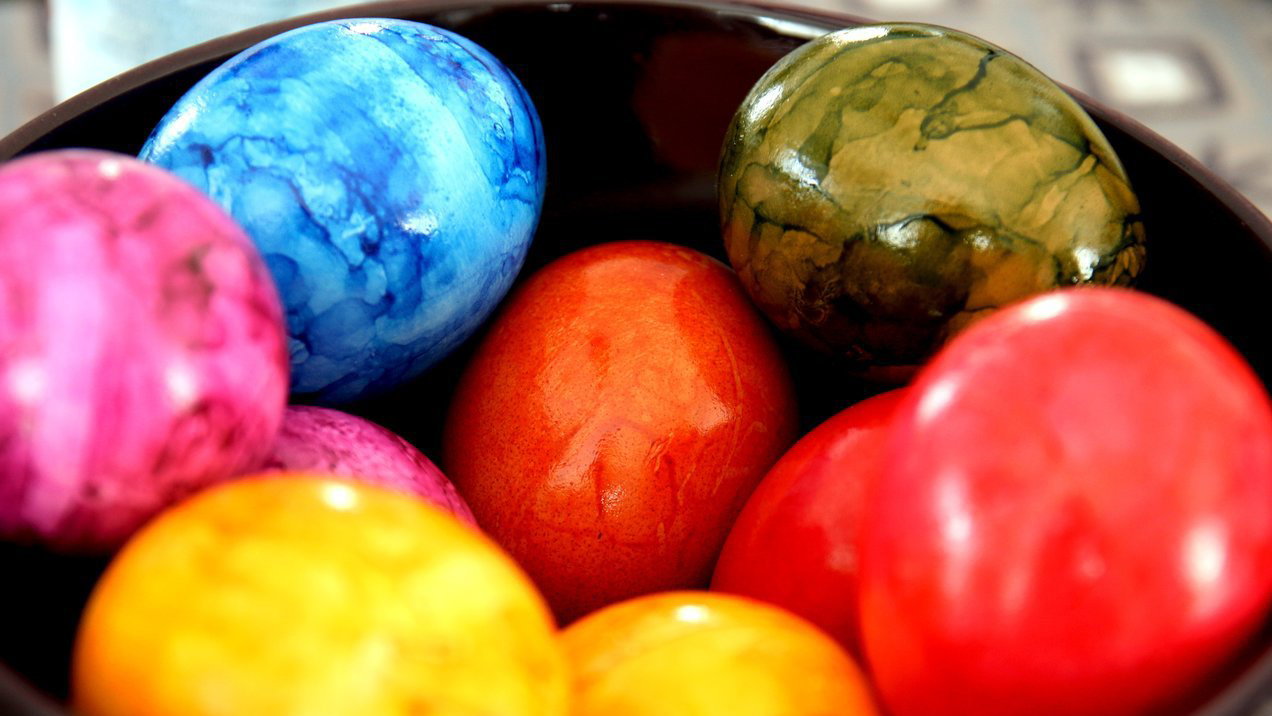
According to the National Union of Poultry Breeders in Romania data cited by Mediafax, egg sales in Romania rose over 50% in the month before Easter, to 180 million eggs, and Romanians spend nearly EUR7 million on eggs during this period.
Easter and Christmas holidays usually make Romanian consumers go on a shopping spree but this has not happened this year yet, with preliminary data from retailers showing they had either flat or slightly higher sales.
“We expect Easter Holidays sales to be the same as last year,” Selgros officials said. Selgros has 19 stores in Romania.
Carrefour, which has 170 stores in Romania, has seen sales rise in the past week.
“Comparing the last week this year with the last week before Easter 2014 we did see a slight increase in sales,” Teodora Juravle said.
(English version by Loredana Fratila-Cristescu)