
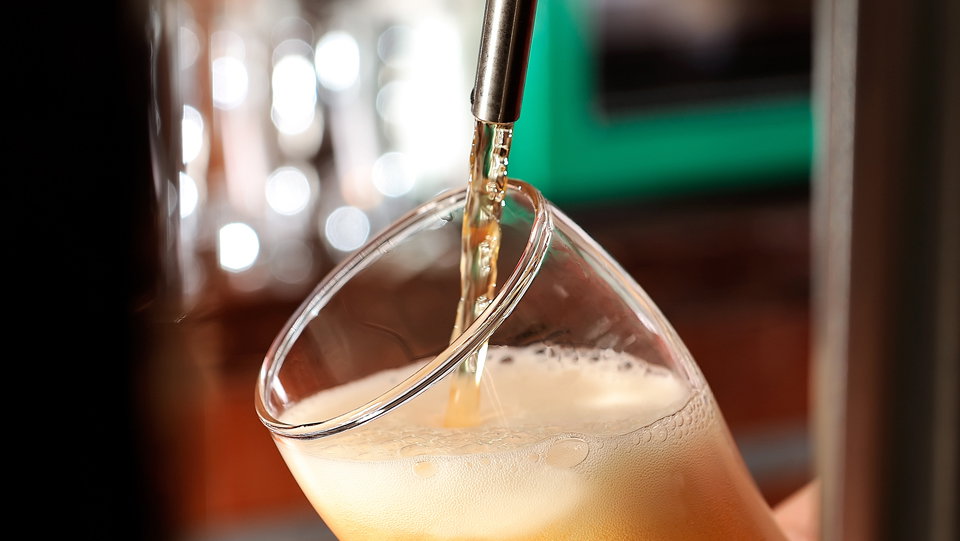
Beer consumption per capita stood at 86 liters.
“The beer sector continues to contribute significantly to the Romanian economy. Even as the market stagnated in volume, the beer industry directly and indirectly supports a large number of jobs,” said association president Dan Robinson.
Around 97% of the domestic beer consumption comes from local production and 50% of ingredients come from local agriculture.
In recent years, consumption of glass bottled beer increased while consumption of PET bottled beer decreased. Glass packaging reached 30% of beer consumption in 2019, aluminium cans covered 22.3%, kegs covered 3.4% and plastic bottles covered 44.5%.
Lager beers covered 93% of local consumption last year, while beer mixes and flavored beers accounted for 3% of the market. Other beers, including dark beer, ales, white beers etc covered 2.2% of the market. Non-alcoholic beer accounted for 1.7%.
In terms of segment dynamics, the segment of mixes and flavored beers grew 32.5% on the year in 2019, while the non-alcoholic beer segment dropped 8.2%. Other market segments remained stable, the brewers association said.
The association includes Bergenbier SA, Heineken Romania SA, United Romanian Breweries Bereprod, Ursus Breweries and Martens, and microbrewery Clinica de Bere, which together cover 85% of beer consumed in Romania. The association includes raw material suppliers Soufflet Malt Romania and the association of local hops producers.
The beer industry could see a decline in 2020 as the coronavirus pandemic led to the closing of hotels, bars and restaurants and the postponement of the European Football Championships and other sporting events.
The hospitality industry accounts for about 15% of the beer sales in Romania, according to the Brewers of Europe 2018 report.
Sports competitions boost sales in certain years, especially when they happen to take place during summer. The World Cup and European Football Championships are usually the competitions brewers most eagerly await, as these drive sales up by 10% to 20% compared with a regular summer month.