
Wage raises, the almost non-existent unemployment in the major industrial areas along with the companies that refreshed their fleets led to the highest sales volume on the local auto market in the first quarter of this year, Automotive Manufacturers and Importers Association (APIA) data show. On the other hand, even though the market did better than in the first quarter of 2009, it is still down 56% compared with the same time in 2008. Out of the 36,000-unit sales in the first quarter 29,351 were cars, up 26% on the year-ago period and 6,462 were commercial utility vehicles, down 0.6%.
“There is a certain optimism among auto market actors, who expect 2018 to be the fifth year of growth in a row since the onset of the economic crisis in 2009,” APIA officials said.
Sales remain driven by legal entities, which bought 70% of the cars sold in the first three months.
“It should be noted that the number of cars purchased by consumers in the first three months of 2018, 8,799 units, is 76% higher than in the year-ago period. Therefore, their share in the total rose to 30% from 21% in 2017. This significant growth, as last year’s actually, happened before the start of the Rabla (clunkers program), which clearly shows that in the current favorable economy, the program is no longer as important when it comes to consumers’ decision to buy a car,” the APIA officials said.
Salaries in Romania have gone up a lot in the past few years, following the successive minimum wage raises, the raises in the public sector and the shortage of labor that forced employers to give raises to remain competitive.
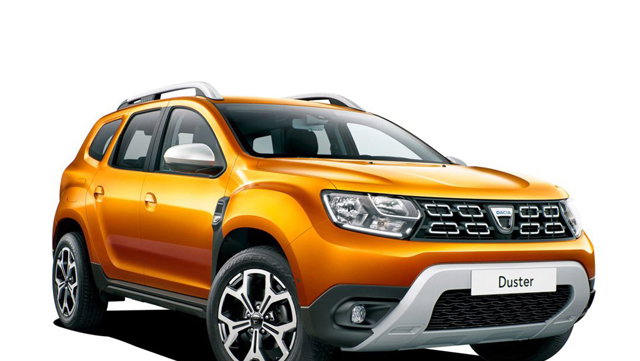
Dacia is the best-selling brand, 9,309 units, up 30%, followed by Volkswagen, 3,680 units, up 13% and Ford, 3,055 units, 22% more than in the year-ago period. Toyota posted the lowest increase in sales in the first quarter, only 1%.
(English version by Loredana Fratila-Cristescu)