
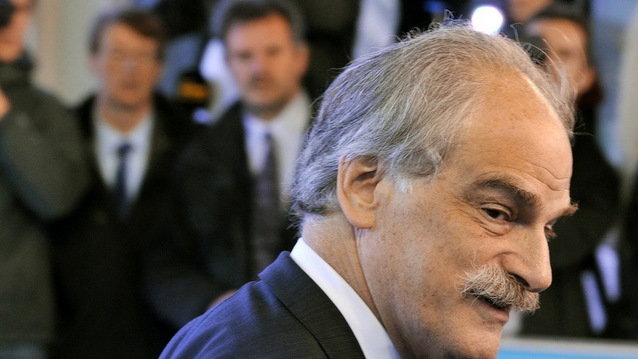
“The authorities are on track to meet their fiscal targets for 2011. However, additional efforts will be needed to ensure achievement of the deficit target of 3% of GDP in 2012,” Lipsky said in a news release.
Furthermore, according to the IMF official, faster progress is required to improve capital expenditure and EU funds absorption, tackle arrears, and improve tax administration.
The IMF Board on Monday approved the first review of the precautionary up deal with Romania and will make the second tranche available, worth around EUR480 million.
“Expeditious implementation of reform plans for key state-owned enterprises-including a greater private sector role, enhanced regulation, and improved market-oriented pricing-will be essential to improve economic efficiency and boost growth,” Lipsky added.
Regarding finances, the IMF official said inflationary pressures have been stronger than expected, under global food and fuel price shocks.
“he authorities have appropriately announced a change in the monetary policy stance towards a tightening bias. Early policy action could be needed to ensure that inflationary expectations and second round effects are well contained,” Lipsky said.
The banking segment, according to Lipsky, remains well-capitalized, and authorities have kept vigil over the risks from small and medium banks, as well as the subsidiaries of banks at the euro area periphery.
“Further strengthening of banking supervision and contingency planning should be a priority to protect against potential adverse spillovers from financial turbulence elsewhere in Europe,” Lipsky added.
The IMF officials evaluated Romania’s performance in the first quarter, as well as reforms which the authorities have pledged to implement.
In March, Romania and the IMF signed a EUR5 billion loan agreement, successor to a larger EUR20 billion bailout package that ended in April this year. Under the new deal, the IMF will disburse Romania EUR3.5 billion, while the EU and the World Bank contribute with EUR1.4 billion and EUR400 million, respectively. However, Romania will access the funds only in case of economic distress.