
The state of emergency can be enforced in crisis situations that require exceptional measures, such as when the national security and constitutional democracy are threatened or when a disaster occurs or is imminent. The state of emergency represents a set of exceptional political, economic and public order measures applicable throughout the territory of a country or in some administrative-territorial units.
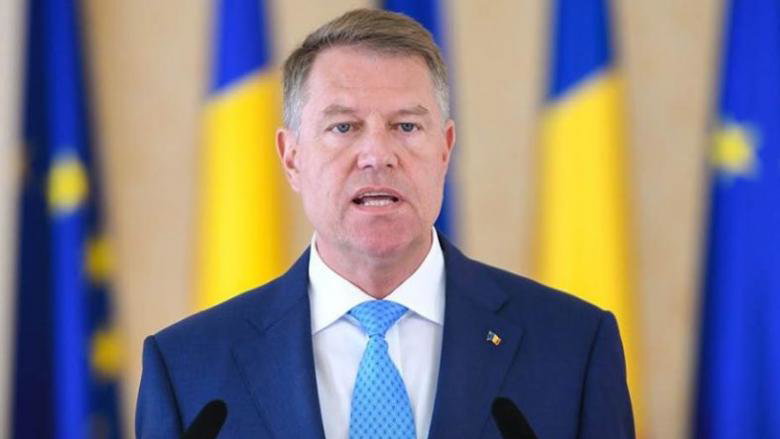
“This state of emergency will make it possible to allocate new resources that are important for the management of the crisis. This way, the Government will be able to allocate more money for the healthcare sector: more money for medicines, more money for medical equipment which is absolutely necessary. At the same, this situation will allow acquisitions in a very short time, with simplified procedures, thus putting at the Government’s disposal all instruments needed to manage the crisis generated by the coronavirus in the most efficient manner ,” Iohannis said Saturday evening (March 14), as the new Government led by Prime Minister Ludovic Orban was sworn in.
Iohannis has also called on Romanians to avoid contacts that are not absolutely necessary and to get informed from public sources.
Romania has confirmed 123 cases of coronavirus infections so far, nine of whom have recovered.
Romania’s Prime Minister-designate Ludovic Orban won a parliamentary vote of confidence, on Saturday (March 14), with all political groupings seeking to end a political deadlock and focus on the coronavirus crisis. Lawmakers toppled Orban’s minority Liberal government at the beginning of February, but he has continued to run the country on an interim basis with limited powers.