
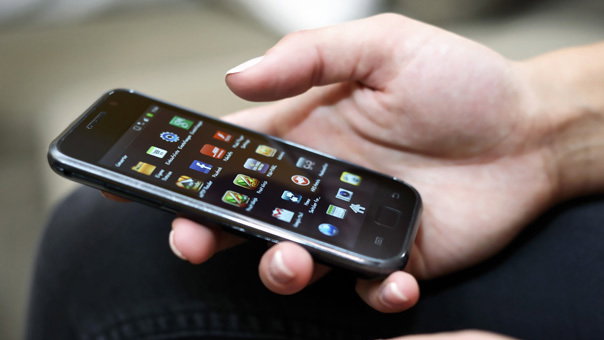
A preference for online shopping is on the rise, concern for health and well being has mounted and spending intentions have been drastically reduced under the impact of the pandemic on personal income.
The findings from two surveys taken before and after the COVID-19 pandemic and published in PwC’s 11th consecutive Global Consumer Insights Survey focus on urban consumer purchasing habits and behaviors, and how global disruption has forced the acceleration of a more digital way of life. PwC polled more than 19,000 consumers globally, covering 74 cities in 27 territories in August and September 2019, and 4,447 consumers in key cities in nine territories in April and May 2020.
Forty-five percent of global consumers say healthcare is one of the top three reasons for living in a city, 69% are more focused on mental health and well being, and 43% expect businesses to be accountable for their environmental impact.
Social distancing measures put in place because of the coronavirus have affected consumers in all aspects of life, including how they purchase groceries. While in-store grocery shopping is the main channel of choice, over a third of consumers (35%) are now buying food online, with 86% of those who shop online planning to continue after social distancing measures are removed.
For non-food items, prior to the pandemic in-store shopping was still dominant compared to online shopping with 47% of consumers saying they shopped at brick-and-mortar stores daily or weekly compared to shopping via mobile phones (30%), computers (28%) and smart assistants (15%). Since then, online shopping for non-food items has seen a substantial increase (mobile phone 45%; computer 41%; tablet (33%).
Focus on self-care has increased, with 51% of urban consumers agreeing or strongly agreeing that they are more focused on taking care of their mental health and well being, physical health and diet as a result of COVID-19.
Urban dwellers surveyed after the outbreak viewed safety and security and healthcare just as important to their quality of life as employment prospects, with 49% and 45% of respondents saying so, respectively, compared with 45% for employment.
Before the outbreak, consumer confidence was sky-high, with almost half (46%) of respondents saying they expected to spend more in the next 12 months. After the outbreak, 40% reported a decrease in income as a result of job loss or redundancy.
Consumers are spending less in most nonfood categories, with the biggest decreases in spending on clothing and footwear (51%) and sports equipment (46%).