
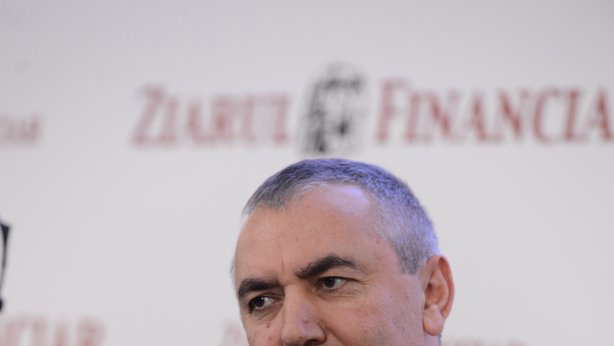
With the deal recently approved by the Competition Council, Praktiker will resume expansion by opening two stores in Giurgiu and Targu-Jiu this fall. The latest Praktiker store opened in 2010, after which the former owner halted investment due to the financial problems that caused the downfall of the German group and the forced sale of the operations in each country.
“I bought Praktiker with a range of 25,000 items in stores and went beyond 35,000 products in three months. (…) In March we almost broke even, in April we posted RON3 million profit, in May we made RON1.5 million profit and in June we expect about RON5 million,” Susli told ZF in an interview.
At the time of the takeover, the Turkish investor said Praktiker was a poorly run company. His plans are to bring the network back to sales of EUR300 million, as in 2008. According to Finance Ministry data, Praktiker posted EUR130 million revenue and EUR16.4 million net loss in 2013. The average number of employees was 1,700.
“I took over 1,600 employees on payroll and we will hire another 400 by yearend because of the rise in sales. The number of new employees will differ from store to store depending on sales trend.”
Susli would not say what the best stores of the chain are. Praktiker’s sales volume per store reached EUR4.8 million on average in 2013, compared with more than EUR12 million in 2008, when it was employing 2,500 people.
A significant step Praktiker took towards cutting costs was to renegotiate the rent for all the stores of the group, which helped it save EUR6 million to EUR7 million a year, Susli says, adding he only has one new contract to sign, for the store in ERA Iasi shopping park.
“We got 26% to 50% rent cuts. On the DIY market if you pay more than EUR5/square meter per month, that means you’re taking a loss.”
The new stores to open in Giurgiu and Targu-Jiu in September-October will operate in rented space, too, replacing some former supermarkets of Interex, a network that left Romania selling its real estate to a local investor.
“The store in Giurgiu will take up 4,000 square meters and have a Carrefour supermarket next to it. In Targu-Jiu we took the entire space,” Susli said.
“We set out to grow to 45 stores in the next two years and have already chosen most locations. I don’t know how many companies will remain on the DIY market, but we will surely do and must get market share from the others. The number of permits is on the rise and I believe the real estate market will become busier as of this year.”
The DIY industry is going through a time of consolidation that started with the sale of the Bricostore and Praktiker chains. Germany’s OBI, too, will leave the Romanian market while Austria’s BauMax is negotiating an exit, as well.
On the other hand, giants Leroy Merlin and Kingfisher (Brico Depot) need acquisitions if they want to have a say in Romania, where the undisputed market leader is Bacau-based Dedeman, with more than EUR600 million sales in 2013.
(English version by Loredana Fratila-Cristescu)