
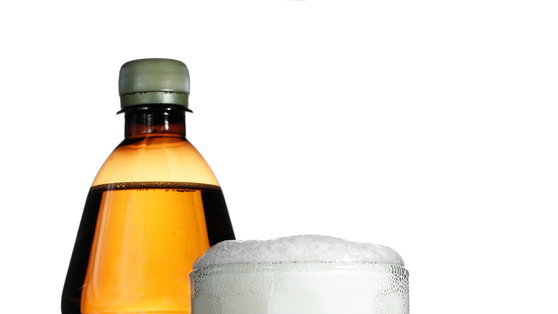
The rise of the PET container, a type of packaging that comes with low prices was made possible by the decline in purchasing power during the crisis so brewers sought a way to get to the economy segment of the market. Despite the rise of this low-cost type pf packaging, which other markets are just beginning to experiment with, the average beer price rose during the period considered. The price in the retail sector, which generates the largest PET beer sales volumes, was 33% higher.
Along with the surge in the sales in PET bottled beer came a shift in beer consumption to retail, which now accounts for 80% of the beer market compared with 55% ten years ago.
The PET bottled beer history in Romania began in 1998 when Bere Mures, a Romanian entrepreneurial business at the time, introduced this type of packaging which would go on to revolutionize the entire market. Bere Mures only made PET-bottled beer and its brands were Neumarkt, Dracula and Sovata. The development of the company brought it to the attention of the major international groups that were looking for acquisition targets. Eventually Heineken acquired it for a record EUR150 million.
The PET bottled beer and its many economy brands helped Heineken keep growing during the crisis at a time when its rivals were trying to reorganize their brand portfolios.
Ursus, Heineken’s main rival in Romania, added PET bottled beer in 2004 when it bought Aurora Brasov plant. While at first it did not really like that type of packaging, as Alan Clark, chief executive officer of SABMiller, the owner of Ursus admitted, it had to adjust to stay competitive.
Looking back over the past decade in the beer industry, one can see 12 plants ceased operations without any new investments to replace them. They include the brewery in Hateg (Heineken), Blaj (Bergenbier), and Cluj (Ursus). Several other smaller facilities such as those in Galati and Ialomita have also closed in the past ten years. In comparison, Romania had 125 facilities that made beer in 1994, which means it is among the countries to have lost most breweries in Europe.
Plant closings came as result of the decline in consumption. After peaking in 2008, sales shrank each year after that except for 2011, when they were flat and 2012 when they grew.
The last ten years also saw a change of leader, as well as changes in the ranking of best-selling beer brands. The market leader in 2004 was Heineken, which consolidated its position by buying Bere Mures. Over the last few years, however, Ursus has caught up and ZF estimates show Ursus to be the market leader at the moment.
Asked about what place his company was on, Onno Rombouts, managing director of Heineken Romania said it only depends on the source of the data without providing further details.
On the other hand, according to SABMiller information, Ursus market share stands at 30%, while sales volumes reached 5.72 million hectoliters in the fiscal year that ended in March 2014.
(English version by Loredana Fratila-Cristescu)