
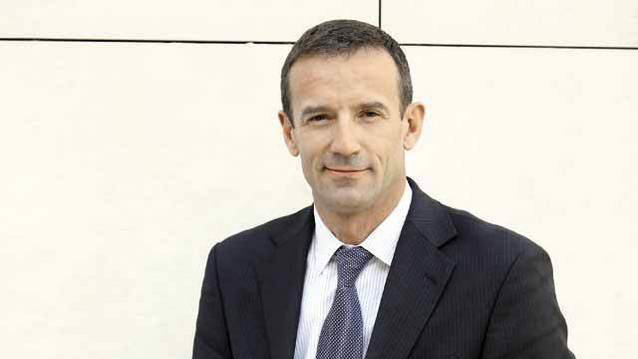
2012 is the first year since the start of the crisis when the positive trend of sales, especially in the last quarter, would have allowed Orange to report a revenue increase, but the 40% cut to mobile termination rates offset the trend.
“What we can say when we look at the results is that we held out rather well last year. The first truly good news as far as these results are concerned is that if we eliminate the impact of regulations, we see a 0.8% rise. This was the first year since the start of the crisis when, after a period of significant declines, we finally see a stabilization,” Fallacher said.
Orange reported a 2.6% revenue decline to EUR913 million in 2012, but its number of clients rose to almost 10.3 million and they started to spend increasingly more on data services, Jean-Francois Fallacher said.
The head of Orange specified the number of subscribers – a client category that generates high revenues, with client numbers exceeding four million – had continued to grow in the second half of the last year and in the first two months of 2013, especially thanks to offers for smartphones and tablets.
“We have noticed a stronger then ever appetite for smartphones and tablets. Also, increasingly more clients on the market are moving from pre-paid cards to subscriptions, most likely because they want to buy a smartphone at a subsidized price,” Fallacher said.
In the fourth quarter of 2012 data services reached 23% of Orange’s service revenues, double as much as in 2008 and three percent more than in the previous quarter.
“Voice revenues are on a slight decline and data revenues make up for this decline at market level,” he added.
“There really is a trend, a migration from voice services to data use, to messages through social networks, towards multimedia, the trend we have seen already in all Western European countries,” he added.
How can the higher client base and the strong sales recorded in the last quarter of 2012 be explained?
It is the result of several factors, among which the EUR100-million investments in the network, which resulted in higher coverage of data services. Fallacher says the launch of exclusive services such as HD voice and 4G services for Apple’s iPad tablets played a major part in the results.
From a commercial point of view, the segmentation of offers was important. Orange sought to tap into various market segments with different offers, says the head of the company, and the operator will continue this initiative in 2013.
“Last year we launched segmented offers for prepaid clients, a novelty for the market. We launched dedicated offers for those who mainly use voice services, for instance, for those who use more data, or those who make international calls. This was an important step.”
Orange is the only local operator who allows prepaid clients to build their own service package – how many free minutes in the network, internet and national/international calls they want – through a dedicated web interface.
The company will continue these efforts because this is what the market demands, Orange’s CEO says.
The efforts to increase the company’s efficiency will not include personnel cuts, with staff to remain similar to last year – 2,800 people – Fallacher adds.
The head of Orange says one of the cost cutting methods used by Orange is to cut electricity costs by using solar panels and wind turbines. “We will extend these initiatives in 2013,” Jean-Francois Fallacher said.
(English version by Daniela Stoican)