
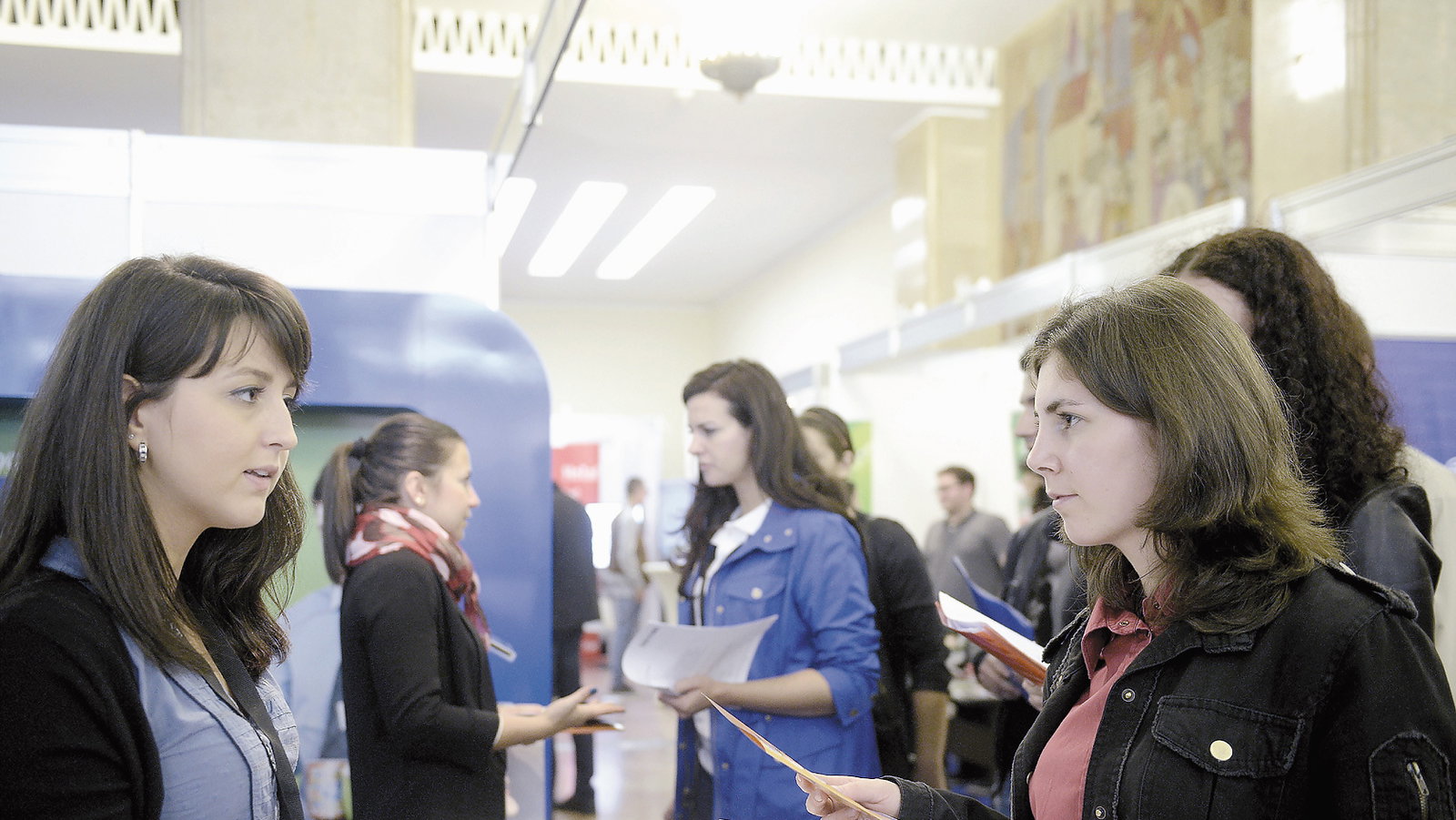
Fifty one percent of Romanian students said they would rather look for a job in the region they live in, compared with 29% in 2013, according to a poll conducted by German automotive group Continental, which has 15,000 employees in Romania.
”The reason why young people do not want to leave is that many companies have come to Romania and we have become better and better, while projects have become more complex. This trend can be seen in our company, as well, because we switched from making only bits of projects to developing whole projects,” says Anica Stoica, HR manager of Continental Romania.
“We’ve got colleagues who put in decision-making positions in the group, in charge of budgets of millions of euros and of supervising other colleagues. The content of the job becomes more attractive, which makes them want to stay in the country. We, Romanians, have a deep bond with our families and friends and if we can have a career in Romania, we are not necessarily interested in leaving.”
The results of the Continental survey show that 57% of the students in Germany want a job in their home country, while in China, only 50% do.
“We’ve noticed a growth trend in terms of number of companies in Romania and number of jobs offered, we choose to stay here because we are close to our families. Another factor that motivates us to stay is we want to have a much better country,” says Alexandru Popescu, student at the Alexandru Ioan Cuza University of Iasi, who attended a Continental event in Sibiu.
The results of the poll conducted on more than 1,600 students and young professionals in Romania also show that if they were to receive a job offer from an international company and had to move abroad, they would like to work for companies in Germany, US and Switzerland.
The massive investments in services (especially in IT and outsourcing), as well as the expansion of the automotive manufacturing plants led to a higher competition over young graduates among companies. An engineer in this industry earns at least 1,800 lei (EUR401) at their first job, while an IT college graduate earns at least RON2,300 to RON2,500 in net amount per month. A student who speaks a foreign language can take a job with an outsourcing company and earn at least RON1,400, according to market data.
If they chose to go look for work abroad, the young people would have to settle for unskilled positions, because they lack experience, and they no longer want to do it. The average wage in Romania is about RON2,600 (almost EUR580), five times lower than the European Union average. This is why Romania has lost more than 2.3 million people fit for work and skilled in recent years, who chose to work abroad for several times the pay in Romania.
Even though the trend of the economy is now stopping young people from leaving, this is only happening in ten counties of Romania, which account for 70% of the total revenue of the companies in the country, EUR260 billion. Some of the cities in the ten counties are among those that get most of the investments, such as Cluj, Timisoara, Constanta, Brasov, Sibiu, Ploiesti and Mioveni (Arges).
(English version by Loredana Fratila-Cristescu)