
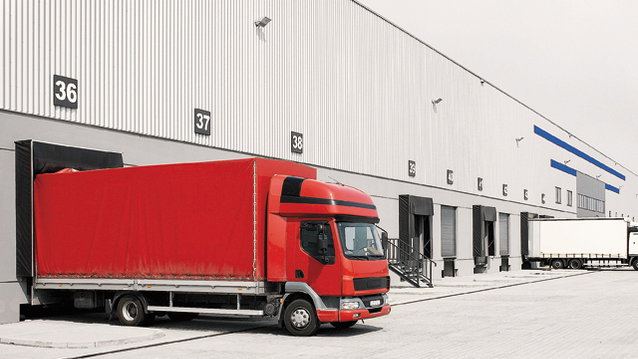
Kaufland, the local modern retail sector leader by revenue, alone has 190,000 square meters of logistics space, one third of the entire space used by all the retail networks.
Lidl ranks second by logistics space used (either owned or leased) with 110,000 to 120,000 square meters, followed by Carrefour, more than 60,000 square meters, according to the information ZF got from companies and the market.
The largest logistics companies by warehousing space operated use less than 100,000 square meters. H. Essers Logistics, the leading such operator had 83,000 square meters of warehousing space in 2014.
The warehousing space that retailers use is either owned (Kaufland and Lidl) or leased (Carrefour). There are also companies like Cora and Selgros, which outsource such services and work with logistics companies from which they rent large warehouses. Logistics companies, however, provide additional services, such as product packaging, preparation and transportation.
“The grocery retailers with the biggest networks already own the biggest logistics space portfolio. German retailers’ strategy is to own most of the logistics space they use and they operate it themselves,” says Marian Orzu, head of industrial department with real estate consultant CBRE Romania.
Kaufland owns two warehouses, which supply products to its stores.
“The first warehouse is located in Ploiesti, Prahova County, and opened in October 2005,” the officials of the company said.
The Ploiesti warehouse covers more than 120,000 square meters (ground level) and is where the company keeps most of the products it sells (about 96%), from fruit and vegetables, food and non-food products to packaging and containers.
Its other logistics center that opened in 2011 is located in Turda, Cluj County and covers 70,000 square meters (ground level). It supplies products to the Kaufland stores in the northwestern, northern and central Romania.
Kaufland stores throughout the country are restocked every morning with products from the central warehouses carried by specialist transporters, which have all the necessary equipment, such as refrigerated trucks, Kaufland officials said.
The retailer first built its warehouse in Romania, which it expanded later, and then started to build its stores, says Gabriel Chimisliu, vice-president of real estate consultant The Advisers Knight Frank.
“Kaufland was the only chain to apply such a strategy, which proved it had a well devised plan since the beginning,” he added.
On the other hand, networks like Cora and Selgros signed deals with logistics companies, which provide warehousing and additional services, such as merchandise preparation and transport to stores.
“We have two logistics platforms – Petresti and Pantelimon, totaling 15,100 square meters. We also work with logistics companies (FM Logistic) because we prefer to focus on our core business and also take advantage of the expertise and competencies of the logistics provider,” says George Velicu, the official in charge of logistics with Cora Romania.
Selgros works with two logistics companies, having outsourced the non-core business services. It tried to lower the necessary investments to a minimum and also has two platforms it operates itself via three warehouses. “Two of them are in Bucharest and one in Cluj. The total area is 4,000 square meters, 1,500 square meters of which climate-controlled storage.”
Selgros is the modern retailer with the smallest area of owned storage space, according to ZF data.
Most networks, however, chose to have their own warehouses and only outsourced shipping, because they do not have their own truck fleets.
(English version by Loredana Fratila-Cristescu)