
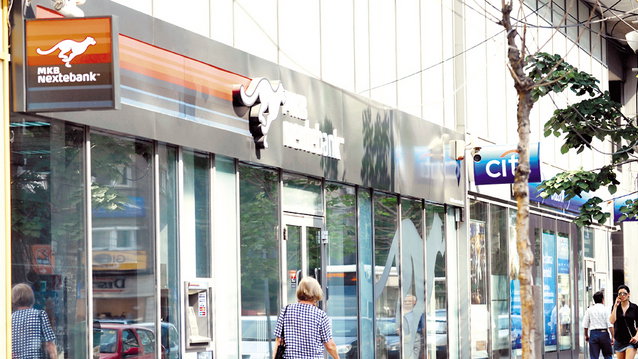
MKB Hungary decided at the end of 2011 to sell the local subsidiary, no longer being willing to support the steady capital needs of Romexterra. It then planned to seal an agreement with a potential investor for the first half of 2012. At the end of 2011 MKB owned 92.42% in Romexterra.
Last month Romexterra announced it had sealed a sales agreement with an investor group led by private equity fund PineBridge, with the transaction estimated to be completed within three or four months. This would be the first withdrawal of an investor from the local banking market since the start of the crisis, although there are several banks for sale.
“I think the acquisition made by PineBridge will unfortunately remain an isolated transaction for various reasons. Firstly it is an illusion to think an oligopolistic system – as the Romanian banking system is in fact – will respond in a normal way to the macroeconomic challenges of the moment,” comments Doru Lionachescu, president of investment boutique Capital Partners.
He says had the banking system been truly competitive, we would have already seen consolidation moves or exits from the market in response to the reversal of the economic trend.
“The fact that we have not seen them yet is yet another confirmation that the banking system is tacitly protected by its regulator, operates in a quasi-monopolistic way, and survives by charging monopoly rent, which harms the real economy,” Lionachescu explains.
The second reason is that the European banking system is not an attractive target for investors, as it is largely bankrupt and kept alive by huge liquidity injections from the European Central Bank. Until we see an honest and substantial cleaning of banks’ portfolios, I don’t think investment appetite will return, nor will lending be restarted,” he says.
Lionachescu estimates that the “value of the transaction was a fraction of MKB’s adjusted equity capital and is too small to be a reference for the market.
According to MKB’s annual report, Romexterra’s last year loss was largely an operating loss (spending exceeded revenues), and there was no need for additional provisions to be set up – which would suggest that the bank was largely cleaned up with a view to its sale and that PineBridge would not face unpleasant surprises.
Overall, MKB lost over EUR40 million in Romania last year, with MKB also controlling the affiliated leasing company, which was taken over by the shareholder at the request of the Romanian central bank, plus Corporate Recovery Management, which took over non-performing loans from Romexterra Bank.
(English version by Daniela Stoican)