
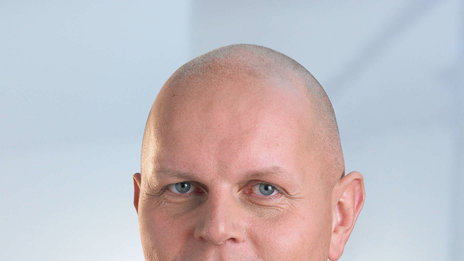
“Romania is an important market for Metro Cash & Carry and up until the crisis we had a fantastic development,” says Olaf Koch, chief executive of the German group Metro, whose annual revenue stands at more than EUR60 billion.
When the crisis came, the business was hurt so Metro wants to adjust to the current market and the results in the first six months (of the financial 2014-2015) are encouraging. It is too soon to say the business will return to growth this financial year, but in 2016 it should happen, Koch added.
The Metro group consists of the Metro Cash & Carry network, the Real hypermarkets, the Kaufhof shopping gallery and the computer and electronics stores Saturn and Media Markt.
The group operates 31 Metro Cash & Carry stores and four Real hypermarkets in Romania. It had 24 hypermarkets, but sold 20 of them to rival Auchan.
Metro, which arrived in Romania in 1996, first posted more than EUR1 billion revenue in 2004 and dropped below that level last year. The only other retailers to post more than EUR1 billion sales have been French-held Carrefour and the local retail sector leader, Kaufland hypermarket chain.
Metro Cash & Carry’s business gradually declined, hurt by the financial crisis as of 2009 and by the aggressive expansion of modern retailers.
In the nineteen years since the start of the modern retail in Romania about half of the traditional retailers have gone out of business, and traditional retailers are precisely Metro Cash & Carry’s customers.
To contain the decline, Metro introduced the LaDoiPasi franchise program in 2012, available to those seeking to operate a small traditional store. The program has yet to make a positive impact on the revenue.
Metro Cash & Carry’s core business in Romania and worldwide is wholesale. Unlike hypermarkets, supermarkets and discount stores that target consumers, Metro Cash & Carry’s business relies on legal entities, that is small grocery stores, restaurants and coffee shops. The chain has 800,000 customers registered in Romania, be they companies, NGOs, authorities, embassies etc.
Russia is a market with growth potential and Czech Republic is a mature market. Romania is somewhere in between but in one or two years will get where the Czech Republic is now, Metro group CEO said. However, Metro has no plans to open Metro Cash & Carry stores in Romania.
Despite the business decline during the crisis, Olaf Koch says the group has no intention to exit Romania by selling Metro Cash & Carry. Moreover, he is optimistic and says both the group and the local operations will see an increase in sales.
Metro will continue to focus on major cities and Bucharest, of course. The number of reseller customers is greater than the number of hotel and restaurant and coffee shop customers in Romania, but the latter are developing (in the big cities i.e.), the Metro group official said.
While Metro Cash & Carry Romania is not for sale, the group is looking for a buyer for the four Real stores but is in no hurry to sell, Olaf Koch added.
Metro Cash & Carry arrived in Romania via a partnership of the German group with Romanian businessman Ion Tiriac, who still owns 15% in the local company via Zareba Holdings Limited. The entrepreneur wants to sell his stake, though, ZF has found.
(English version by Loredana Fratila-Cristescu)