
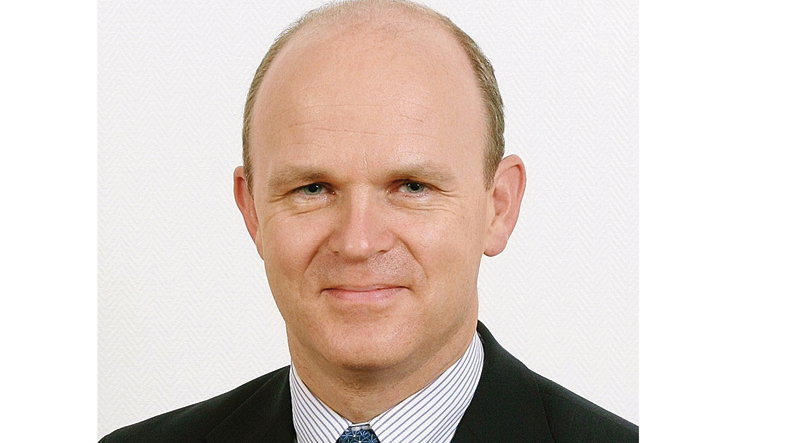
“If we continue to raise wages every year as much as we have done so far, then yes, we will also increase the automation level of the plant, which is now at 10% and can be increased,” said Nicolas Maure chief executive officer and chairman of the board of directors of Automobile Dacia.
Such a move would have a negative impact on the number of employees, so the automation has to be done carefully and gradually, he added.
Dacia is Romania’s largest exporter and also the largest company of the country by revenue, which stood at EUR4.19 billion in 2013.
The Renault-Nissan Alliance uses a ranking of all the more than 30 plants it has throughout the world and the plant in Mioveni climbed from the lower to the upper half of this ranking, following the more than EUR2.2 billion investments Renault has made in the last 15 years.
The Mioveni plant aims for a top spot in the ranking and will get there in the next three years, Maure says. The plant could make premium cars if it so wanted, not Bentleys but Renault Megane, yet the automation level is lower than in the West. For instance, the [car] body department employs 2,000 people, while a similar plant in France would need 400 to 500 at most, because of the higher automation level, Nicolas Maure said.
Renault’s next step in Romania is not just car manufacturing, but also vehicle design and its partnership with Daimler. The French and German carmakers’ partnership has turned out a joint platform for the new smart and new Renault Twingo thus far.
Although Renault works with Daimler, its Romanian arm does not have any direct contact with the German group. However, Renault is in talks to have Daimler use the engineering services provided by Renault Technologie Roumanie and may even supply parts to the Daimler plant in Sebes (central Romania), Automobile Dacia’s CEO said. Dacia may work together with Daimler as any Renault division in any other country can, he added.
Dacia pays double the average wage in Romania, so if Renault had to invest a new plant in Central and Europe, Maure says he is not sure it would pick Romania and if it did, it would choose Arges County (where the Mioveni plant is).
“We must be realistic and reasonable.”
Even if Romania’s economy grows, wages must not increase faster than productivity or else it stops being competitive. Productivity also means better qualification but that takes time, the Dacia official added.
The wages Dacia pays do show in the county’s economy, putting Arges fourth in a ranking by number of new cars registered per 1,000 employees in the first half after Bucharest, Ilfov and Constanta.
Wages are very good for the employees now but not for the competitiveness of the plant, Maure says. Dacia wants its suppliers to pay competitive wages in line with the local economy but keep them at a normal level.
Its wages are much higher than it can afford, which can be good for the local economy on short-term but if on medium term the company has to cut production and shed jobs, that will not be a good thing. For instance, when going to the US, many Japanese component suppliers did not open facilities near Detroit, but chose Midwest instead because of lower wages there, he added.
(English version by Loredana Fratila-Cristescu)