
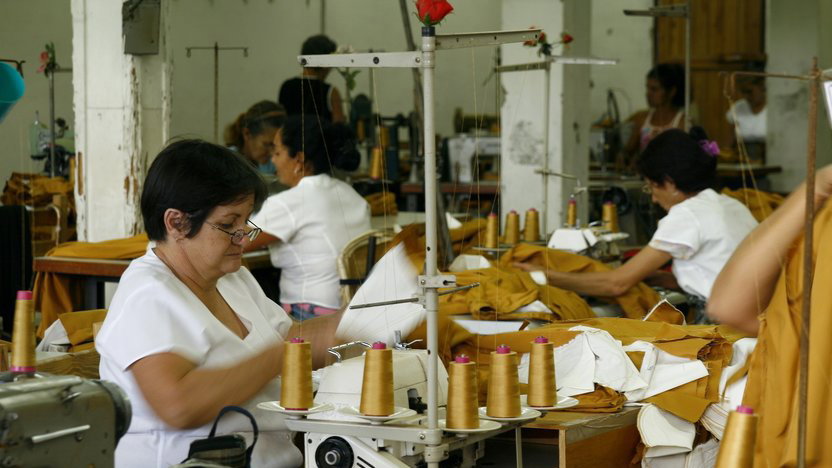
Three major actors – Alison Hayes, Rieker and HanesBrands, have announced the closure of their plants in Romania lately, citing too high wages and therefore a lack of competitiveness. The plants that closed or are about to employed about 1,500 people together and had more than half a billion lei revenue.
“We are not against the minimum wage hike in Romania, we even think it is too low compared with Europe,” Nicolas Georghiades, chief operating officer of Alison Hayes and one of its shareholders, said in 2017. However, if taking into account the hikes, the too high taxes and the lack of infrastructure, the manufacturing costs in Romania are too high, he added at the time.
That was the first signal from a company in the sector, a sector that would subsequently see a number of insolvencies and closures.
In 2008-2018, the average wage in the footwear and apparel manufacturing industry rose from RON750 to RON1,600-RON1,800, but remained up to 40% below the national average. Under the circumstances, the number of employees shrank by almost 100,000, ZF has calculated from Trade Register data. The industry numbers 8,000 companies with almost RON16 billion revenue and more than 180,000 employees in 2017, according to the latest publicly available data.
Production from local plants is moving to cheaper destinations, such as Asia, where salaries barely reach RON1,000 ($200).
Romania has been a major textile manufacturer even before the ‘90s, but the structure of the economy is changing, shifting from manufacturing of products that require little processing and wages to match to higher added value products, which require more technology. The process intensified with the EU accession, influenced by foreign investment. (EUR1=RON4.7383)
(English version by Loredana Fratila-Cristescu)