
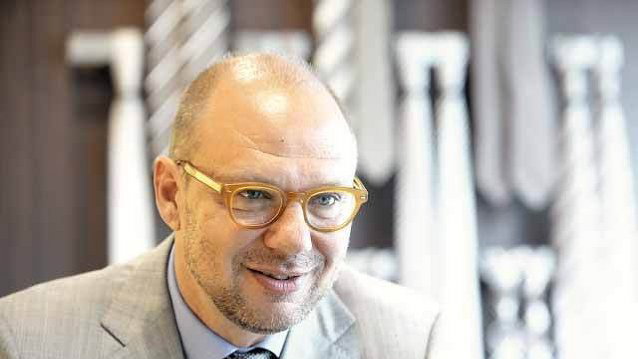
“Bucharest will become the leading city in the area that stretches from Vienna in the west to Istanbul to the east [except for the two cities] and which mainly consists of all the countries from former Yugoslavia. The [Romanian] capital will be even more important than Budapest because on the one hand it is has a geographically strategic position and on the other hand it has the advantage of cheap workforce.”
The businessman says many corporations will set up headquarters in Bucharest and run their regional businesses from here. Cheap workforce is an advantage given that “wages will only rise gradually and based on merit.”
In Romania the bulk of the population lives on a wage of less than 1,500 lei gross per month (EUR340), placing the country at the bottom of the European ranking.
Kovacevic says low wages should not be seen only as a disadvantage because there are countries who wish they could produce cheap and good quality products, as Romania does.
Romania makes clothing for major brands such as Zara, H&M and Dolce&Gabbana.
“Many contracts have been won in Romania by plants that used to operate in former Yugoslavia, Now clients don’t go back there because they are happy with the results here. There are countries who would like to be in Romania’s place, but cannot. Wages in the clothing manufacturing industry are some of the lowest in the economy, often the minimum wage – RON800 gross per month.
The entrepreneur who brought to Bucharest luxury brands such as Max Mara and Ermenegildo Zegna, says the sewing and tailoring of luxury clothing only accounts for 10% of the overall cost, while the rest goes into the fabric, brand and advertising. Kovacevic is one of the first businesspeople to come to Romania 20 years ago, as he saw the opportunities of a market that was taking its first steps in capitalism.
Kovacevic first opened a shoe store in Bucharest in the early 90s, which sold brands such as Sergio Rossi and Bally. A pair of shoes then cost 350-400 German Marks. At the time he sold about one pair per day.
Between 1994 and 1999 the businessman opened several stores in Bucharest before choosing central street Calea Victoriei as a location for opening all his stores. The first was Max Mara in 1999. Almost eight years later followed Ermenegildo Zegna, with the two currently being the leading brands in his portfolio. The businessman’s other brands are Coccinelle, Marella and Emporio Armani (which he owns in partnership with Romanian entrepreneurs).
“I made mistakes during those years, but now I am trying to correct them. At a time when I should have gone ‘in depth’ and develop the stores that were performing well, I expanded [through new stores].” The businessman says in his case the business has an emotional side because otherwise he would have closed down some of the stores, such as Coccinelle and Marella.
Each of the Max Mara and Ermenegildo Zegna stores has turnover of EUR1.2-EUR1.3 million. The turnover of Emporio Armani stands at EUR4 million, while sales of the other two brands do not exceed “a few hundred thousand euros”. In 2011, the last year for which public financial data is available, Alsa Boutiques, the company that operates Kovacevic’s brands (excluding Emporio Armani) had turnover of RON10.9 million (EUR2.5 million), up 9% against the preceding year.
“We have not suffered at all in crisis if you look at the turnovers that have remained relatively steady. But we did expect turnover rises of 30-50%, so we can say we have been affected.”
Kovacevic says rent in central areas of Bucharest is down from around EUR100 per square meter during the boom years to about half as much at present.
The businessman says he has no expansion plans, to open new stores or to bring new brands to Romania.
“In the provinces there is a problem in that potential clients shop abroad, they are connected to Budapest and Vienna rather than Bucharest.”
The businessman says there are many enthusiasts on the luxury market because the best-performing companies reach profit margins of 20%. “We have a profit margin of between 0 and 15%, but during the crisis years many luxury businesses moved to losses that reach 20% of the turnover.”
(English version by Daniela Stoican)