
The network has grown to almost 190 discount stores from the 107 in 2011, when Lidl entered Romania by acquiring Plus Discount. Revenue continued to increase last year so it is now closer to EUR1 billion. Lidl officials will not say when they expect the retailer to join the ‘euro billionaire club’ of the Romanian grocery retail, which only includes Kaufland and Carrefour, according to ZF data.
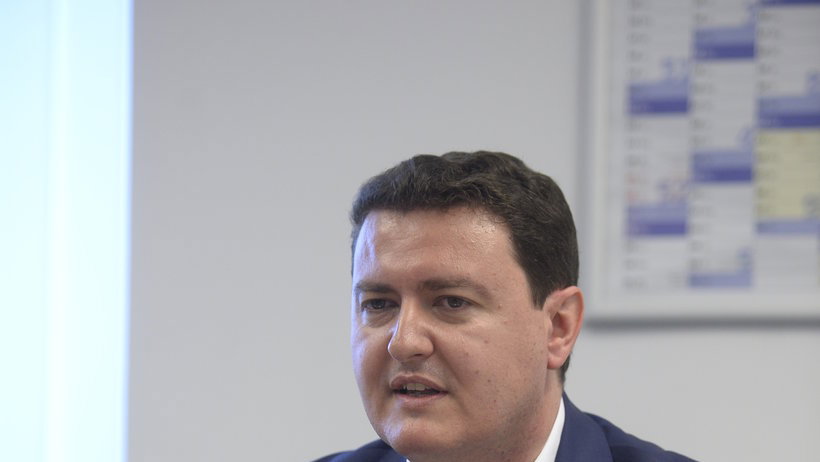
“We can say our revenue stood at more than EUR700 million in 2013 and we posted profit. Financial 2014 ended in February, so the data is not available yet,” Antoniu Radu, 41, managing director of Lidl and member of the board of retailer, told ZF in the first face to face interview with a top executive of the company.
This is also the first time Lidl revealed its sales figures, since so far the only data available via the Finance Ministry have been the 2011 data, valid for Plus Discount, which Lidl bought that year.
Although he did not reveal the 2014 sales figures Antoniu Radu said they grew, adding, “The EUR1 billion mark is not that far away.”
Lidl arrived in Romania by acquiring a 107-store chain in 2011 in a deal estimated at EUR200 million at the time. Four years later, it has grown to 186 stores. At the beginning of 2015 it announced plans to open more than 10 stores in Romania by yearend, in which it will invest more than EUR20 million, according to ZF calculations based on Lidl data.
“Investment in a Lidl store stands at more than EUR2 million, which includes buying the land, the construction of the building and the equipment. We work with Romanian service providers, be they builders or developers, for each of our development projects such as stores or regional offices.”
The company has therefore invested more than EUR160 million since entering Romania.
Lidl will continue expansion in Bucharest and in the rest of the country, choosing cities of more than 20,000 people with acceptable purchasing power.
Lidl does not plan its openings to avoid the competition because it believes it can cope with it, Radu says. “If we find a plot of land next to another retailer, we will buy it.”
The company owns the land under most of its stores. The Lidl official will not provide any figures, merely saying Lidl prefers to own the land. Some of the stores acquired from Plus operated on rented land and some on their own land.
“We always keep ads about buying land on our website. We look for a specific standard format.”
Lidl self-funds expansion and other investments, and also uses capital inflows from its parent company and bank loans.
“Banks are willing to lend us money because we are a trustworthy and active company that is expanding.”
Lidl invests more than EUR100 million in Romania every year, Antoniu Radu says, which go towards equipment or upgrades of already existing stores, expansion, opening of logistics centers or working capital.
“We have already bought the land for our fourth logistics center to open in Lugoj, Timis County, and the total investment will amount to some EUR25 million. I don’t know when it will be completed because we’ve just bought the land. “
The company has three logistics centers totaling some 100,000 square meters in Chiajna, near Bucharest, Nedelea, near Ploiesti and Iernut, near Targu Mures.
(English version by Loredana Fratila-Cristescu)