
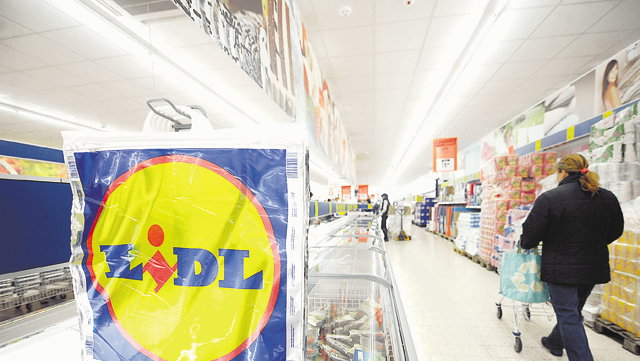
Lidl and sister network Kaufland are the only retailers among the top 100 importers.
While the other store chains have been applying a business model based on partnerships with local suppliers since their arrival on this market, Lidl chose to do things its way. It relies a lot on private label products, which make up 80% of the products it sells, according to the latest data available, and either commissions locally or in a specific country for the entire region. Under the circumstances, it imports most of the products from Poland and Germany.
“Lidl, as a business model, is completely different from the other retailers, we develop our private label products that we import or export as necessary,” Lidl officials said.
“That means we do our own imports without resorting to local importers as intermediaries. Lidl Romania orders the products and we use our international platform to import the products to be carried by Lidl Romania.”
Lidl representatives would not provide any details about the value of the imports or about how much they account for in the sales. According to ZF estimates, the sales of Lidl Discount, the operator of the Lidl stores in Romania, stood at more than EUR750 million last year. Lidl has not filed its financial statements for 2012 and 2013 and the 2011 data are those submitted for Plus Discount. Lidl officials would not provide any estimates for this year’s sales, either merely saying the economy will be difficult.
(English version by Loredana Fratila-Cristescu)