
This is the second major indicator of the rebound of the economy in 2014, following the car market growth by more than 20% to over 100,000 vehicles, the first increase after six years of decline. Demand on the auto market, too, came from consumers.
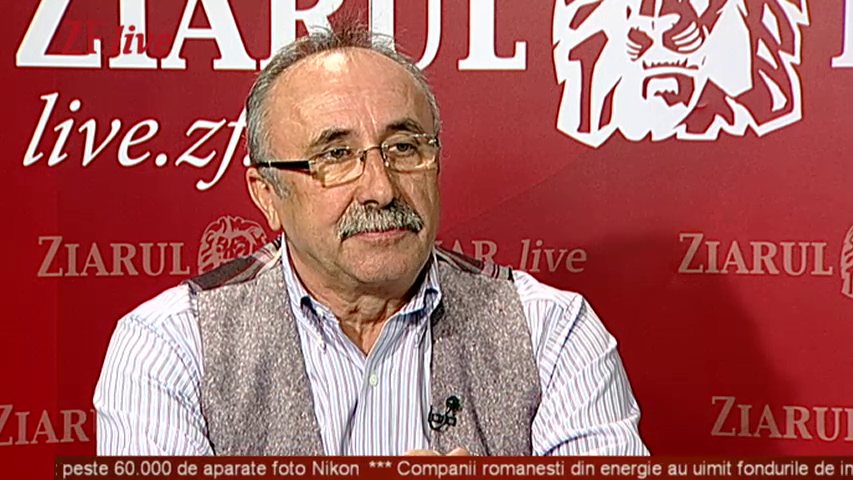
“It was an extraordinary pace, considering everyone is talking about the decline of the PC market, about such products disappearing. PCs cannot disappear, they will probably transform,” Netin said.
“About 80% of the units sold in Romania are laptops. I for one think it is only natural that we have a one million unit yearly market, like it was before the 2008 crisis. In comparison, Czech Republic with its 9 or 10 million population is seeing 1.5 million PC sales a year.”
Sixty percent of the PC sales were made to consumers.
Lenovo, its country manager says, had a ‘sensational’ 2014 and will end the year in April with a 25% market share, higher than the expected 20%.
“We are leaders on the consumer and small business segment, and number one or number two at times on the enterprise segment because we have a very strong competitor.”
Out of the three, the consumer segment generated the highest growth of Lenovo sales, followed by the small business and enterprise segment.
“We noticed a higher appetite for computer buying last year. Maybe it was because of prices. On the one hand, there was Microsoft’s entry-level offer, a PC with an operating system preinstalled at an affordable price, less than 1,499 lei (about EUR340). On the other hand, there was the extraordinary Black Friday exuberance.”
Last year was a year of constant promotional offers, which drove up sales to consumers, Netin said.
“The market is big and highly competitive. Back in 2000s, the entry-level price was $1,000. Now prices are crazy, not only for PCs but also for tablets. I don’t know how healthy and sustainable this is for the market.”
Aurel Netin believes current PC prices are becoming less sustainable due to the depreciation of the euro against the dollar.
“All IT products are quoted in dollars. They come from Asia to Europe, where prices are converted in euros. The euro/dollar rate was 1.32 in the third quarter, this quarter it is 1.22 and we are thinking 1.10 for the next. The shelf price all players ask remains the same, customers will not take a higher price.”
Lenovo Romania country manager explained margins are very low in this industry and lowering them is not a sustainable move.
While strong on the PC segment, Lenovo is not as well positioned on the tablet and smartphone market. It is just starting out on a much more competitive market with very strong local companies.
“Romania’s tablet market is atypical for the region. Only Romania and Turkey have such powerful local players. The neighboring countries have two or three main brands and maybe a regional one and that’s it. We are trying to grow but it’s not easy.”
Lenovo introduced its smartphones in Romania last summer and sold 60,000 in the first four months after that. It expects sales to reach 100,000 by the end of this quarter.
(English version by Loredana Fratila-Cristescu)