
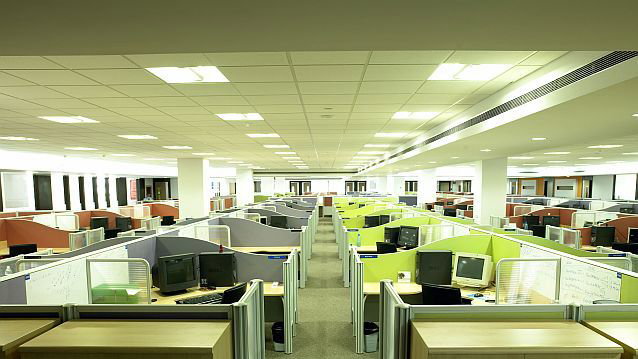
The analysis contains information about 19 transactions targeting areas of more than 1,000 sqm each. The contracts are for the rental of 78,000 sqm’ worth of existing and future spaces, accounting for around 5% of Bucharest’s stock of modern offices.
More than half the stock of office space changed hands through two contracts with properties under construction close to Aurel Vlaicu metro station in Bucharest, as Raiffeisen Bank took 23,000 sqm in the Sky Tower and Floreasca Office buildings, and the advance rental by Oracle of a 20,000 square-meter building in the Floreasca Park project.
Based on these transactions, in order of rented areas, the biggest contracts were signed with four IT&C companies – TeamNet (8,300 square meters in Green Gate), Samsung (3,000 in Platinum Center), Endava and Microchip (with 3,400 each in AFI Business Park 1).
IT is in fact the most dynamic sector of the last few years, with both wages and the number of employees rising in full crisis. The companies announcing they will hire this autumn include Ubisoft, Freescale, Microsoft, Dell, Oracle, Ixia, Bitdefender, TeamNet, Luxoft, Route 66 and 1&1 Internet Development.
“Software developers and IT specialists are in demand, either because new companies entered the market or because smaller players were bought by large multinationals expanding their activity,” said Mihaela Damian, country manager of executive search company SpenglerFox, part of Irish group Grafton. The net average salary in the IT industry is 3,578 lei (around EUR800), more than twice as high as the net average wage in the economy of RON1,530, according to data from the National Statistics Institute in May.
When the crisis started banks concluded most transactions on the office market – Banca Romaneasca consolidated its operations into Euro Tower, Volksbank chose Nusco Tower, Piraeus built its own headquarters in Piata Victoriei square, ING fully rented Crystal Tower and this year UniCredit Tiriac moved into another new building, in Piata Presei Libere square. These moves kept the office market alive, but did not necessarily signal intense activity from banks. Banks made these moves in order to consolidate their operations and cut costs.
(English version by Daniela Stoican)