
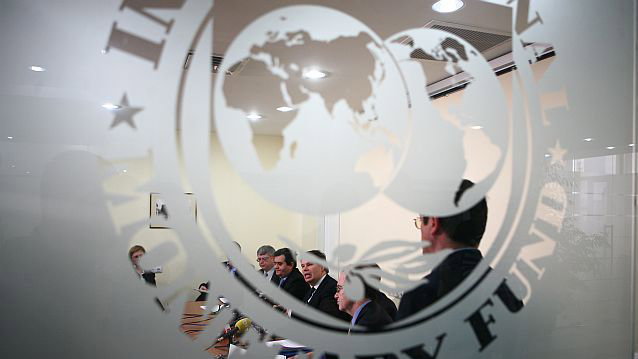
State-run companies control 53% of the energy sector and 34% of the transport sector. They lack transparency and are inefficient, acting as a brake on the economy, according to the IMF’s annual report that analyzes Romania’s economic performance.
Reforming state-run companies is the solution to consolidate long-term economic growth, per experts of the fund. After almost four years in which the IMF has guided the economic policy of the successive governments, Romania has not managed to return to solid economic growth, and continues to be threatened by recession.
In fact, the IMF report also notes that an intensification of the eurozone crisis could cause Romania’s GDP to fall 5% and the leu to depreciate by 15%-20% against the euro.
The Government should decide which enterprises need to stay in the hands of the state and publish that list, while all the other state-run companies should be privatized or liquidated, the IMF report also reads.
According to the IMF, more transparency in the activity of state-run enterprises and a better communication of the government’s strategy on the reform of state-run companies would make it easier to implement reforms.
The report also notes that there are almost 1,000 state-run companies in Romania, with the state being majority shareholder in 240 of them, while the rest are owned by local authorities. In all they employ 10% of the labor market and bring 9% of the economy’s added value.
Listing major vulnerabilities for the coming period, the IMF draws attention to the reduction of financing lines from foreign banks, which fell by EUR2.2 billion in the first seven months of this year. As concerns the healthcare system, the IMF believes Romania doesn’t have sustainable financing ensured, so the Government will have to look for new ways to increase its revenues – from including as many citizens as possible into the system, to raising taxes.
(English version by Daniela Stoican)