
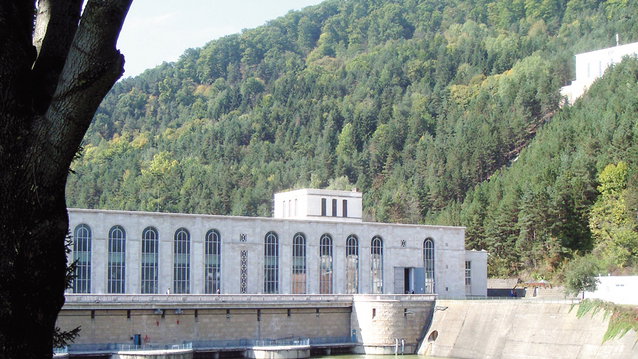

Stejaru Bicaz is one of the largest hydropower stations in Romania and has been in operation for more than 50 years.
“The rehabilitation shall ensure a new life cycle for the entire power plant (of at least 30 years) with increased availability, efficiency and safety in operation”, the EBRD said in the project description on its website.
According to EBRD officials, the documents will be signed Tuesday.
The money will be used to retool the plant’s six turbines with a total installed capacity of 210 MW, almost one third of the capacity of a nuclear reactor of Cernavoda plant.
“Total project costs will almost to EUR136.9 million,” according to EBRD’s website.
The bank will provide a EUR110-million loan, with EUR70 million coming from EBRD and the rest from two other commercial banks.
The plan for the Bicaz-Stejaru energy system was outlined as early as 1908, but work started only five years after the end of World War II. Thousands of people, including political detainees and Communist activists, worked on the sites on the Bistrita river. Upon its completion, in 1950, the plant’s 127 meter-long dam was the largest in Romania and the fourth largest in Europe.