
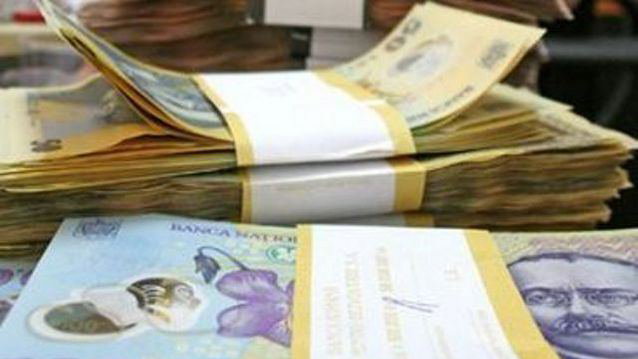
The number of depositors, however, had shrunk by almost two million people according to the Bank Deposit Guarantee Fund.
“The deposits are made by a low number of account holders and the crisis widened the gap between those who had large deposits and those who kept little money in deposits. Those who had little money withdrew it because they needed cash,” financial analyst Dragos Cabat said.
The average deposit increased by more than 30% because of the disappearance of many small depositors, to RON8,000 after the first nine months of this year. In comparison, the average deposit at the end of September 2009 stood at RON6,900.
The fast-paced increase in bank deposits was a paradox of the crisis as the individuals’ incomes shrank and unemployment rose. The shrinking income and unemployment rise are precisely why those earning low incomes did not save up and even cancelled their deposits. This shows a low capacity for saving that individuals have because the average deposit does not exceed four average wages.
The depositor structure is highly polarized. Whereas 14.4 million depositors saved up RON95 billion (an average deposit of RON6,500), 16,000 other people or 0.1% of the total saved up RON18 billion. The average account in this case stands at more than one million lei.
The rest of the deposits, about EUR8 billion, are those made with the local branches of the foreign banks. The Bank Deposit Guarantee Fund does not guarantee the deposits made with the banks that operate as branches and not as subsidiaries of foreign banks in Romania. Instead the deposits are guaranteed via the similar schemes in the home countries of those branches’ parent banks. The most important banks that operate this way are ING, RBS and Citi.
Companies and individuals are keeping almost RON195 billion (EUR44 billion) in deposits, enough to cover 85% of the loans granted to them, EUR51 billion.
Individual and corporate savings increased fast during the crisis because of the high interests banks were offering as well as because of the individuals’ cautiousness. Still, savings’ growth slowed down quite a lot this year because of the decline in the interests offered by banks for deposits and because of a slight rebound in consumer spending.
Deposits in foreign currency picked up the pace in recent months because of the leu losing ground against the euro and because of banks keeping euro rates high while cutting leu rates. The foreign currency deposits attracted by local banks stand at EUR15.5 billion, an increase of 10% year-on-year. (EUR1=RON4.4672)
(English version by Loredana Fratila-Cristescu)