
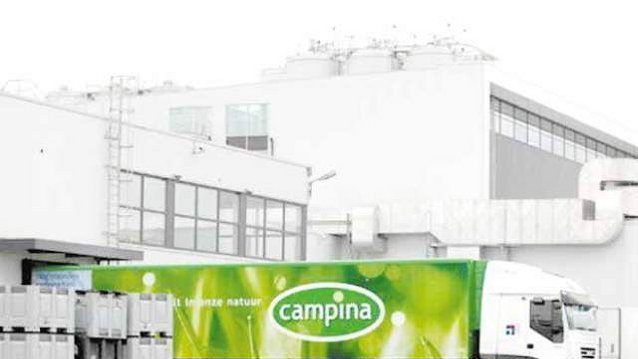
The group comprising FrieslandCampina Romania, Napolact and Industrializarea Laptelui Mures has closed four facilities in the last six years. The last of them was the Taga plant in Cluj County (NW Romania), which employed 12 and specialized in fermented cheese.
“FrieslandCampina Romania operates on a competitive market that is going through a difficult time. We are seeing a decline in sales volumes so we need to optimize our business and cut operating costs,” said Cornel Caramizaru, sales manager of the company that still owns three plants in Romania in Baciu (Cluj County), Targu-Mures (Mures County, central Romania) and Carei (Satu Mare County, northern Romania.
Friesland started closing plants in 2007, with the first to go being the facility in Deta (Timis County, western Romania), which employed 130. Next came the plants in Satu Mare (north of the country) in the same year and Huedin (Cluj) a year later. Taga, the last in the row of closures, ceased operations this year.
Friesland’s plants “were technologically obsolete”, even though the company spends EUR2.5 million to EUR3.5 million every year to develop its production facilities, Caramizaru says.
Plant closure ‘spree’ affected the entire industry; in 2008-2012 more than 100 dairy and cheese production facilities closed, leaving more than 4,000 people jobless, according to Trade Registry data.
“A lot of plants in Romania were closed in the last few years because there were too many of them on the market. To be competitive, however, operating costs need to be cut and to achieve this cut technology needs constant upgrades,” explains the executive who has been working for FrieslandCampina Romania for more than two years. He had previously worked for Star Foods, the snack division of PepsiCo bottler in Romania.
FrieslandCampina Romania posted growth of 6% in revenue in lei to 407 million lei (EUR92 million), but profitability went down and the company ended the year with EUR4.3 million net loss.
“The growth in revenue is because of the increase in the sales of the Napolact brand, our most important premium brand,” the company official explains. Caramizaru does not see any significant changes in 2013 compared with 2012.
As for a return to profit, he says he thinks that with the market as it is now, it is difficult for companies to be profitable.
Friesland’s main rivals, Danone and Albalact ended 2012 in the black.
(English version by Loredana Fratila-Cristescu)