
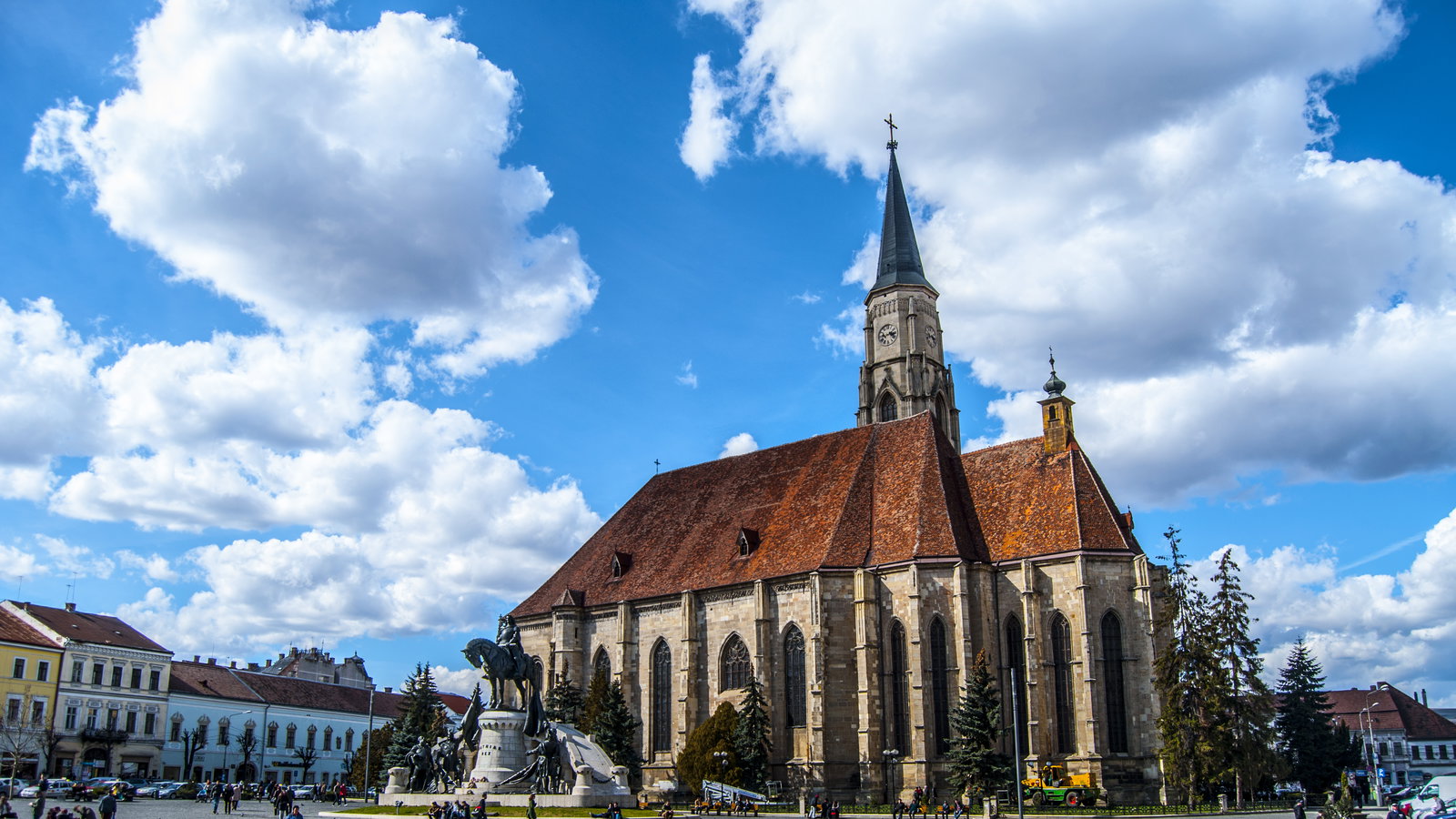
“Cluj-Napoca remains the most attractive regional market for companies, because of its stable economic environment, well-trained workforce and modern office space stock,” said Nicolae Ciobanu, Managing Partner – Head of Advisory with Fortim Trusted Advisors.
“Even though the total transaction volume has adjusted from its peak in 2024, the level of new leases shows that there are still real demand and strategic decisions for medium- and long-term development,” he added.
In 2025, compared with the previous years, the gap between the main regional centers narrowed. Timisoara climbed to second place, with 30% of transactions, an increase on the previous year, cementing its position in the ranking.
Cluj-Napoca, Timisoara and Iasi have been the top three regional centers in the last five years, even though not in the same order all the time. This was because of the trend of demand and the pace of new deliveries of office buildings in each of these markets.
In all, the regional centers recorded a cumulated transaction volume of 60,248 square meters, three times lower than in Bucharest, but relevant amid the consolidation of the local markets. Despite the significant volume gap, regional cities come with a number of competitive advantages: lower operating costs, lower rents and labor availability.
“For 2026, we expect regional office markets to remain stable, supported by steady demand from university centers that have established themselves as IT and outsourcing hubs. With limited new project deliveries, occupancy rates for modern buildings are likely to remain high, and companies continue to explore expanding or optimizing their existing space in such cities as Cluj-Napoca, Timisoara, and Iasi. At the same time, we are seeing growing interest from operators in the medical sector in converting office buildings into clinics or medical centers.
(English version by Loredana Fratila-Cristescu)