
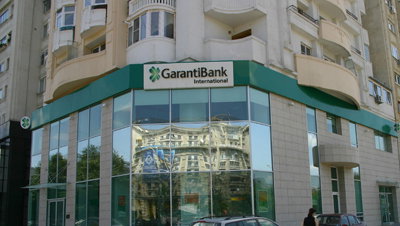
“Garanti’s ratings reflect the support that it can expect to receive from its ultimate 100% shareholder, Turkey-based Turkiye Garanti Bankasi A.S.,” Fitch said in a statement.
It said the mother-bank has shown a significant financial and management commitment to its Romanian subsidiary. At the same time, the Romanian unit has a rather significant operational independence from its parent bank and so a “far limited importance for the parent bank’s consolidated balance sheet and performance,” the statement noted.
Garanti relies on its parent for funding, with this comprising 47% of liabilities at the end of the first half. Customer deposits contributed 33% of non-equity funds, but concentrations remain high in deposits. The liquidity position is comfortable.
The viability rating reflects Garanti’s small size, its limited performance track record, funding reliance on its parent and significant concentrations in its corporate portfolio, the agency said.
“Garanti’s asset quality is significantly better than the sector average, as the bank was less active in building up lending in the pre-crisis period, and reserve coverage is solid,” Fitch said.
Fitch has a favorable view of risk management at Garanti, although it believes the bank will inevitably be exposed to a relatively high-risk emerging market with uncertain near-term growth prospects.