
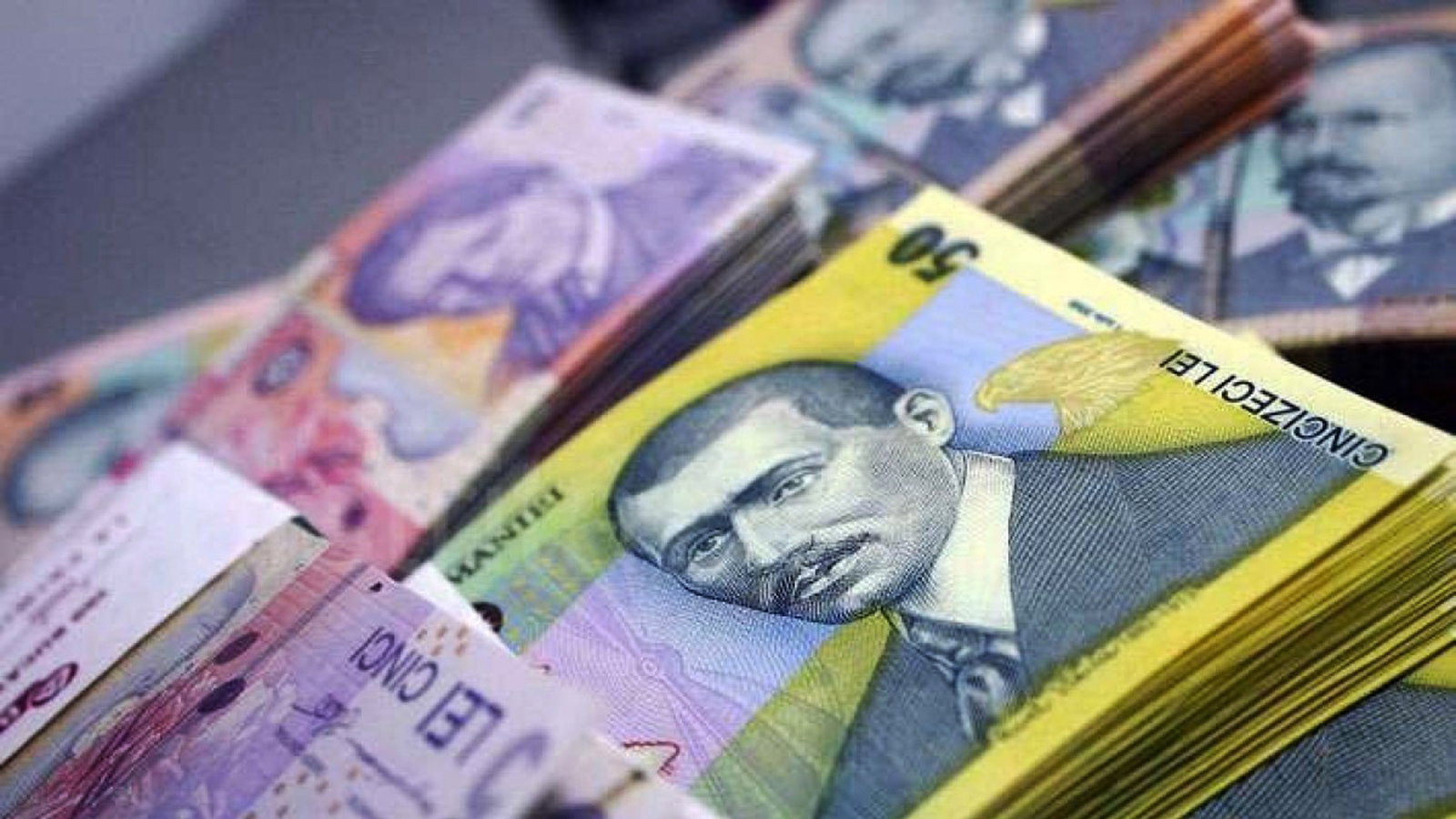
Even though the leu lost some ground against the euro in January due to international turmoil, it has gained 1.6% on it since the beginning of February, which means this month is one of the best for the domestic currency in the past few years, with the leu going from 4.53 points to the euro to 4.45.
Romania has seen capital inflows since the beginning of the year and its central bank says it did intervene on the forex market at times, although the market managed to regain balance on its own. Central bank governor Mugur Isarescu has recently said he would not ‘dream’ about Romania becoming a capital haven area. However, the leu is among the top three currencies that gained ground on the euro this year.
Two currencies were ahead of it, the Ukrainian hryvna (which gained 2.4% against the euro) and the Hungarian forint (1.7%). The currencies that lost most ground against the European currency are the Russian ruble (6.5%), the British pound (5.5%) and the Moldovan leu (3.5%).
Analysts say liquidity is high on the market and the leu trend is because of commercial orders. The high liquidity is also the factor that led to the drop in interest rates on the interbank market.
The three-month ROBOR, which banks use to calculate the cost of a variable interest leu loan, fell to the all-time low of 0.77% per annum on Wednesday, 0.02% below than in the previous session. If its decline continues, Romanians may start paying less for loans as of March, when most banks update their interest rates for leu loans.
(English version by Loredana Fratila-Cristescu)