
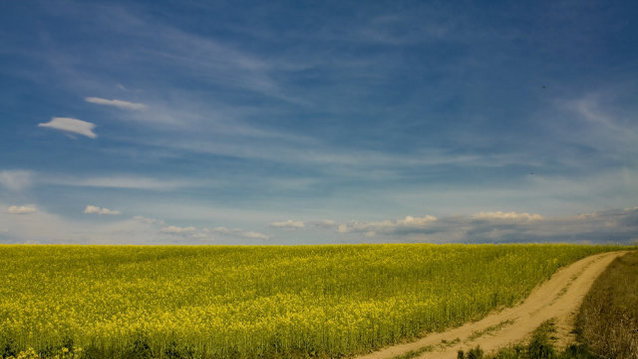
“I’ve never had a year such as this in all those years I’ve been planting rapeseed. This looks to be a good to very good year that may match 2011,” Victor Chivu told ZF live on Thursday.
The condition of the rapeseed early this year can be seen as a real indicator of the future results of the agricultural sector, because the plant is one of the most sensitive there are to harsh weather such as frost and drought. The extended drought last year caused farmers to lose almost the entire rapeseed crop.
The statements of the farmer come to confirm the latest data of the Agriculture Ministry, which show crop development was on schedule in mid December. Ninety-four percent of the 2.6 million hectares of wheat, barley, two-row barley and rapeseed had sprouted, which means the crops were in a better shape than they were the year before.
Last year, farmers had to settle for less money after the drought affected productivity. The first official estimates show agriculture generated EUR15 billion revenue, down 16% on the 2011 peak.
“Last year was difficult. Money is still being made in agriculture, though. I used to get 3.7 tons of rapeseed per hectare and last year only got 1.9 tons.”
However, Victor Chivu says rapeseed and sunflower remain the crops with the highest profit margins and he plans to continue investments in this business.
(English version by Loredana Fratila-Cristescu)