
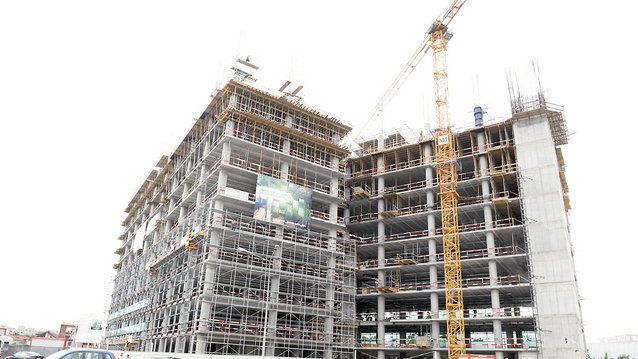
“The strongest development pipeline is expected in Istanbul, at 620,000 sqm of new office space – or 28% of existing stock – to be delivered over the next two years. Kyiv ranks second, with 275,000 of new supply expected over the same period. In Central and Eastern Europe, Warsaw, Bucharest and Prague are expected to post high levels of new supply,” the DTZ Europe Office Q2/2013 survey shows.
DTZ estimates the office space stock in Bucharest will increase by over 15%, which means projects totaling some 300,000 sqm should be completed by the end of 2014. Modern office space stock in Bucharest reached nearly 2 million sqm.
DTZ says it expects 12 million sqm of new office space to enter the European market in 2013 and 2014.
“A part of this new supply is hypothetical and its real start of construction will mainly depend on a significant rise in occupiers demand on the back of economic recovery. At a European level, the total pipeline expected in 2013 and 2014 accounts for 4% of the existing stock,” DTZ said in its survey.
Vacancy ratios have decreased marginally across Europe, with the regional average standing at 10.9% at the end of the second quarter of 2013 from 11% in the first quarter of 2013.
“Over the last 12 months, the biggest declines in vacancy have been recorded in Istanbul, Birmingham, Manchester, Hamburg and Budapest whilst a strong development pipeline has pushed up rates in Geneva, Warsaw, Bucharest and Milan,” according to the survey.
Despite posting the biggest increase over the last 12 months, Geneva vacancy rate remains at a low level (3.8% at end of the second quarter of 2013). By contrast, the stock in Warsaw office increased by roughly 330,000 sqm over the last 12 months, pushing up the vacancy rate to10% its highest level since 2005. Strong pipeline expected for the rest of the year should keep the vacancy rate at this high level.
According to DTZ, prime rental values across the European office market have been stable over the second quarter, posting a modest 0.2% quarter-on-quarter increase and a 0.6% year-on-year increase on average. The overall market picture is balanced between locations such as Bucharest, Kiev, Warsaw, Milan and Madrid where rents are still under downward pressure and on the other side, Moscow (+7.7%), and Istanbul and Frankfurt recording a 7% growth for prime rents on an annual basis.
The survey targeted 30 cities in Europe.