
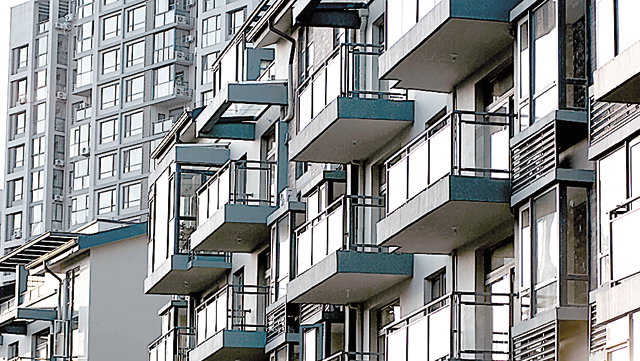
Taking into account the largest 14 projects in Bucharest, they include almost 26,000 homes. Sector 6 of the city ranks first – 20,000 apartments, followed by Sector 4, 10,300, with less than 10,000 homes for each of the remaining four sectors.
“Bucharest City Hall has a series of infrastructure projects planned for 2018-2020, the most important of which being the completion of the A0 beltway,” Crosspoint officials said.
Other projects include extensions and enlargements of major streets and construction of passages in areas with a lot of traffic. Wherever there are plans to improve traffic flow and they materialize, new residential developments are expected, as well as higher home sales in those areas, the Crosspoint officials added.
North and downtown Bucharest remain the destinations of choice for high-end developers, which keeps the price of the land high in those areas.
Last year was a record year in terms of land deals. Romania investors are the most active and residential is the main use for such plots of land. The presence of trailblazers, which start development in new areas of the city, such as the Expozitiei area, is an extremely encouraging factor for the future of the Romanian real estate market, the representatives of the company said.
The residential construction sector grew by 26.8% in the first two months of the year compared with the first two months of 2018, after having plunged by 24% last year. The rise in incomes and a still attractive lending are keeping the sector going.
Construction work rose by 4.7% (gross series) in the first two months, slower than in 2018, but the most important things is the residential sector is showing signs of a rebound.
It is too soon for a forecast because 2018 had started well, too, with an 8.4% increase in the first two months, only two end in a 4.1% decline.
(English version by Loredana Fratila-Cristescu)