
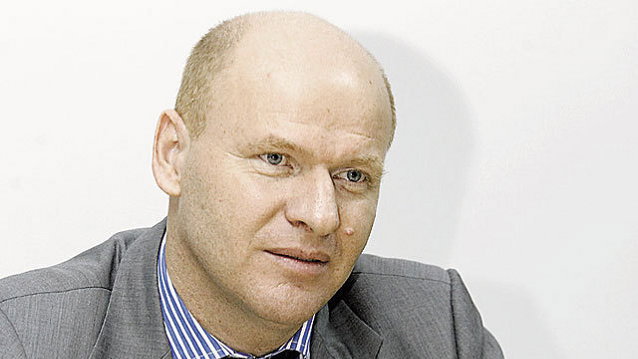
Chairman and majority shareholder Dragos Paval said he did not see a rebound in the economy or the industry Dedeman operates in the first half of the year, which, he added, made it harder to reach targets.
Dedeman, the DIY market leader, posted EUR541 million sales last year from its 30-store network.
“We reached our targets in the first six months, an 8% growth in sales, but made greater efforts than we would have expected. Although more homes were delivered in the first quarter, according to [National] Statistics [Institute] data, the residential market remains difficult and I think the number of homes completed in the second quarter was lower. We are not seeing any rebound but we hope it will come,” Paval told ZF.
If the company attains its 8% growth target, its sales should reach EUR584 million. The new stores to be opened in the second half that could take the network to a total of 35 should help sales increase.
“We will open a store in Pitesti in late August, one in Targu-Mures in the fall and we hope to complete another one. We can complete a project in three to four months depending on weather and land quality,” Paval said.
The company based in Bacau (eastern Romania) develops its own stores, whose floor space is 10,000 to 12,000 square meters and which require about EUR10 million investment. Dedeman opened stores in Galati and Miercurea Ciuc (SE and central Romania) in the first half, thus adding two more counties to its list.
It could have stores in 30 of the 41 counties of Romania within the year and plans to go abroad, as well, but has not chosen which country to go to, yet.
Despite plans to expand abroad, Romania remains its main market where it competes with Praktiker, BauMax and Hornbach. Another rival will be UK’s Kingfisher soon, which took over the Bricostore network.
As real estate is not showing any signs of recovery and major infrastructure projects are not making any progress, either, Paval believes a rebound of the market can only come from the new generation of entrepreneurs that can create new businesses and jobs.
“I think the rebound will come from entrepreneurs. I’ve had the opportunity to interact with several young Romanian entrepreneurs, some of whom in the IT sector, some in other industries, aged 25 to 26 years and I believe they will slowly change the trend of the economy,” Paval concluded.
(English version by Loredana Fratila-Cristescu)