
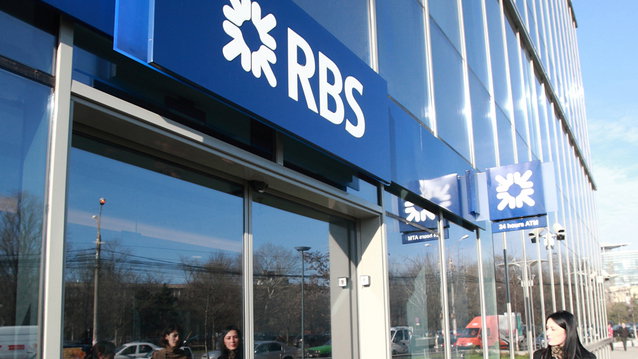

The four banks are Volksbank, RBS, ATE Bank and MKB Romexterra, all of them part of international groups that came to Romania and counted on the strong economic growth registered at the middle of the last decade. The banks’ combined assets amounted to around 8.5% of the banking system at the end of 2010, from over 10% in 2008.
Given the new size of the economy, a banking system with more than 40 players tends to be too crowded. America’s GE Money paved the way for consolidation as early as last year, selling their operations to Garanti.
As market arrivals were part of some international strategies, exit decisions do not necessarily have to do with Romania in particular, either.
The Austrians at Volksbank want to drop all operations in the region and RBS wants to sell a number of “non-core” assets. Greece’s ATE Bank decided to exit the market as a result of the restructuring plan recently approved by the European Commission, while Hungary’s MKB wants to sell Romexterra until 2013 given that that their Romanian operations generated EUR153 million in total losses last year.
The history and business profiles of the lending institutions up for sale differ a lot: while Volksbank was one of the founders of the mortgage market, its strong growth proved unsustainable; RBS is still a bank for corporates and continued to generate robust profits during the crisis, as well.
“I have said it before the crisis started: without a market share of at least 5%, you cannot have a critical business mass ensuring sustainable profits on the medium- and long-term, and the emergence of a negative economic cycle turns you upside down. The alternative would be to focus on a highly lucrative market niche, but this is not simple at all, so that bank exits from the market are only natural,” comments Dan Pascariu, a well-known banker, president of UniCredit Tiriac Bank.