
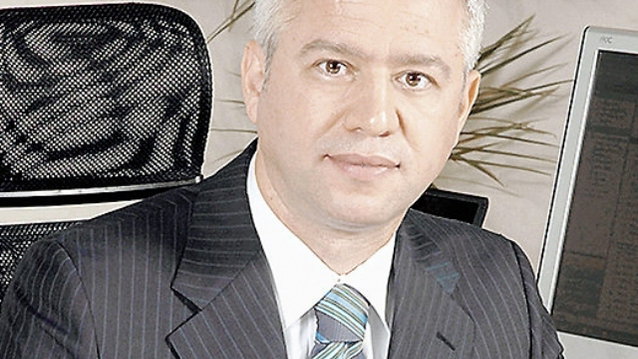
The two will attend the inauguration of new investments at their Romanian plants in Ploiesti and Gaesti.
The bosses of the two giants arrive in Romania shortly after the visit of Renault’s chairman and CEO Carlos Ghosn and of Swiss construction supplies producer Holcim’s CEO Bernad Fontana. The four companies, along with Skanska, whose boss was in Romania in September, have worldwide operations worth more than EUR110 billion, almost as much as the country’s gross domestic product.
“I know there are many companies with plans to expand their operations in Romania, and turn the local market into a hub. A number of companies will relocate their procurement and manufacturing divisions from the West to Romania,” says Monica Vrabiescu, managing director of executive search firm Hill International.
“The workforce is skilled and wages are lower than in the West.”
Bernard Fontana, Holcim’s boss, was saying not long ago that Romania was a talent pool, with 44 Romanians working on key positions in his group. He was in Romania at the beginning of the month for his first visit since his appointment to CEO.
Monica Iavorschi, general manager of Arctic Gaesti, the largest local home appliances manufacturer, said a few months ago that the plant in Gaesti was already operating at capacity, which was difficult to manage. The company therefore decided to invest EUR24 million in a new assembly line. Out of the amount, EUR10 million came from the government as state aid, while the company contributed the rest. Arctic will use the new line to make upright refrigerators and hire almost 600 people to operate it. The new line that will boost production capacity by 30% will be inaugurated next week and the CEO of the group will attend.
Arctic makes chest freezers and upright refrigerators under the Arctic and Beko brands in Gaesti. The production is five times higher than it was back in the communist days and more than 80% of it is exported, according to the latest data available.
Turkey’s Arcelik has invested more than EUR80 million in Romania since buying Arctic in 2002.
“Periodical visits (of the bosses of foreign corporate giants i.e.) are only natural. I have no doubt in my mind that some are interested in state aid. Asking for aid is the trend everywhere in the world nowadays,” says economic analyst Aurelian Dochia.
“It’s the ‘If others were successful, why should we not try it, too’ principle. It’s an opportunity worth exploring.”
Arctic is not the only group to have received state aid. Dacia did, too, for its research center in Titu and for the plant in Mioveni. Last week’s visit of Carlos Ghosn brought up again the issue of the Mioveni plant’s competitiveness against the group’s plant in Tangiers, Morocco.
The most important CEO by the revenue of the business he runs is Muhtar Kent. The executive who used to run the Central and Eastern European operations of Coca-Cola in the early nineties is coming to Romania for the first time since becoming chairman and CEO of the group in 2009. He has previously been in Romania while supervising the CEE operations.
The purpose of his visit is to attend the inauguration of an investment made by the local Coca-Cola bottler at the plant in Ploiesti, according to the company, whose representatives did not provide further details.
There is a real interest in multinational companies in such sectors as IT, back-office centers and even banking to develop operations in Romania and this is a good thing for the companies investing in office buildings, Johan Karlstrom, chairman and CEO of Skanska, a major project development and construction group, which posted EUR15 billion revenue in 2012, has recently said. Skanska is already working on its first office development in Bucharest.
“Such visits are normal during the budgeting period. Either the country manager goes to the headquarters or the CEO of the group comes to Romania. The visit conveys the message that this particular market is important to the group,” says Oana Ciornei, managing partner with executive search firm Amrop Romania.
Mona Neagoe, country manager of Pedersen&Partner, believes the same thing and says that such a visit confirms Romania’s importance for the group.
“Once a company makes an important investment, with an impact on the business, the relative important of the local market in the total increases.”
(English version by Loredana Fratila-Cristescu)