
The release of cash onto the market should be an additional incentive for lending, he also said.
“It is hard to go in a very short space of time from 15%/20% [the current minimum reserve requirements for lei and for foreign currency] to 2% [the standard ratio at the European Central Bank]. This is a gradual process, but we want to start it,” says Popa, who mentions a constraining factor: deleveraging, i.e. the temptation of parent banks in the eurozone to “rush and collect money from wherever they are not used” in order to look better in investors’ eyes in terms of adjustments to Basel III capital requirements.
“We are witnessing this cross-border deleveraging process that has accelerated for all countries, parent banks are reducing exposure to subsidiaries, which is in part the result of the shift towards a model of financing banking activity using local resources ,” the BNR official says.
“This is absolutely OK if the process is organically digested and not imposed through conditions that put pressure on the sustainable level of leverage,” Popa adds.
“But things are more complicated than a simple decision to reduce reserves.”
So the process of bringing reserve ratios closer to European level will be done “with relatively small steps,” the BNR official said.
Following the surge of foreign capital before the crisis, BNR had the highest minimum reserve ratios in the EU in 2008 – 20% on lei and 40% on foreign currency, and the liquidity gathered in this way proves very useful even today. The reserve ratio for lei fell in late 2008 to 18% and then to 15% in 2009, and has not changed since.
But following negotiations with major foreign banks, including on financing the budget deficit and keeping lending going, the reserve ratio on foreign currency fell in 2009 from 30% to 25% and then from 25% to 20% in 2011.
The Romanian central bank has always been very cautious with minimum reserves in foreign currency, both as foreign banks cut their exposure to Romania, and given that foreign banks account for a significant part of the overall foreign currency reserves managed by the central bank.
Erste Group, which controls the largest bank in Romania, BCR, is lobbying intensively for minimum reserves on lei to be cut, considering that BCR only sells retail loans in lei.
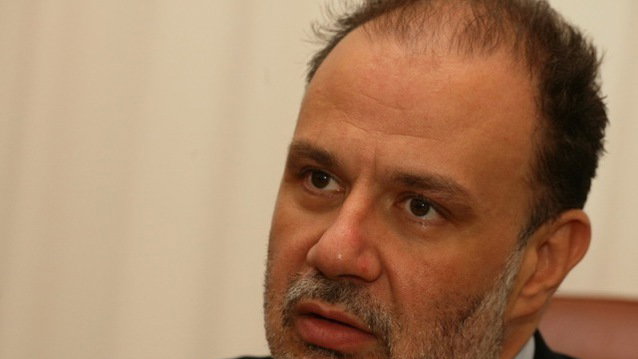
Deputy Governor Cristian Popa stresses BNR’s intention to keep a higher reserve ratio on foreign currency in order to keep discouraging lending in euros “until interest rates on new loans in lei start to resemble those in euros well.”
While at the beginning of the crisis, the reserve ratio on foreign currency was double that on lei (40% and 20%), now the gap is 5% (20% and 15%).
Popa does not give a clear indication as to when the central bank could decide to cut reserves, but says it is planned.
(English version by Daniela Stoican)