
The cash in circulation has been rising at a double-digit rate in the past decade, with only a few exceptions during the crisis.
“The increase in the cash in circulation first of all has to do with the payments made in the public sector in December,” commented Ionut Dumitru, Fiscal Council chairman.
Salary payments in December had been reflected in an increase in bank deposits to a record high of RON232 billion, after which savings in banks shrank last month, which explains the rise in cash in circulation in January.
Cash is harder to control than electronic payments so it has a direct contribution to the development of the informal economy, which the Fiscal Council estimates at 15% of the gross domestic product or RON95 billion. Non-payment of the value added tax (VAT) generates about 75% of the total tax evasion.
The denomination structure of the cash in circulation, too, is important in fighting tax evasion. High denomination bills are the factors that facilitate underground economy and there are even talks worldwide about withdrawing high-denomination bills (such as the EUR500 bill) from circulation to combat such things as drug traffic or organized crime.
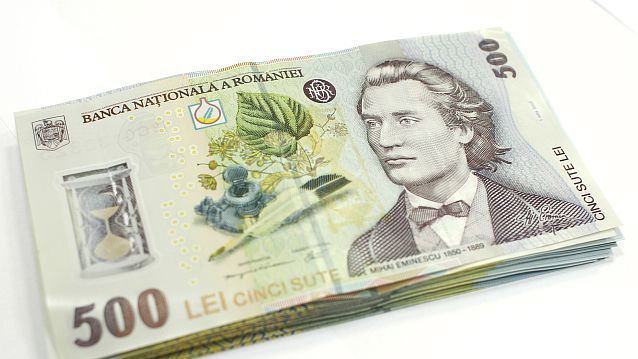
The highest-denomination bill in circulation in Romania is the RON500 bill. There were 5.6 million such bills worth RON3.2 billion in circulation at the end of last year. High-denomination bills facilitate the underground economy because they make it easy to carry large amounts of money. One million lei in RON500 bills, for instance, weighs about two kilos.
(English version by Loredana Fratila-Cristescu)