
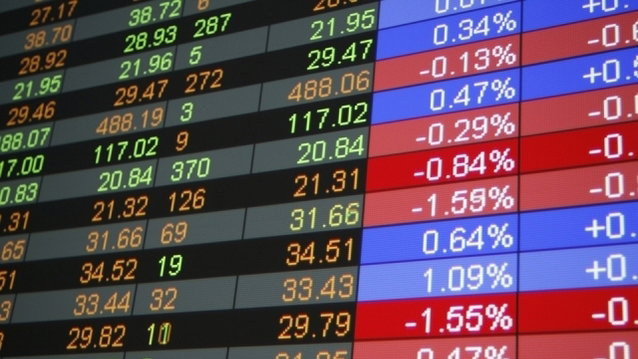
Around EUR160,000 per hour is the value of transactions on a market that employs over 1000 brokers, analysts and stock exchange workers and a further 200 employees of supervisory authority CNVM.
The EUR160,000 worth of transactions generate revenues of around EUR1,200 per hour, i.e. less than EUR1 per each person working in the market. In other words, in Tuesday’s session a broker did not even make enough money to buy a coffee.
Tuesday was the weakest stock exchange day in three months, with a lower volume being recorded on May 28, but things don’t fare much better in a normal day, either.
In August the daily average value of stocks traded was around EUR4.5 million, which compares with daily transactions of over EUR100 million on the Polish stock exchange.
Not even Romanian investment fund Fondul Proprietatea (FP.RO), whose listing in January 2011 was eagerly awaited, managed to draw the attention of foreign investors to the Romanian stock exchange, with the fund gradually losing its appeal. From transactions of more than EUR10 million per day in the first few months after the listing, the fund has now reached volumes of under EUR500,000 per day, as was the case on Tuesday. Even so, the fund remains the most traded stock on the stock exchange, while regional investment funds SIFs, Petrom and Banca Transilvania, the old “stars” of the stock exchange, barely raise EUR100,000 per day.
The explanations are the same as always: investors are lacking, listings are non-existent, this is the holiday period and on the external market investors have less and less faith in the solutions suggested by political leaders to the debt crisis of eurozone countries and to economic recession.
Pension funds, which were supposed to bring fresh money to the stock exchange, complain that they don’t have enough options on the local market and take pensioners’ money to foreign stock exchanges, while the mutual funds that invest on the Romanian stock exchange are as good as non-existent because Romanians don’t want to take the risk of investing in stocks after having lost money in the past five years.
The stock exchange and brokers are looking to the state to list new companies, just as they did ten years ago, but they have not managed in the past four years to persuade any privately-held company to go public. On the other hand, representative companies, such as Azomures (AZO.RO), continue to leave, while brokers seek to offset this by bringing exotic names such as Apple and Google to the stock exchange.
The new managers of the Bucharest stock exchange planned at the beginning of the year for the Bucharest stock exchange to become a financial hub in the region, rivaling Poland. But the Bucharest stock exchange is increasingly more looking like an empty market stall, with no merchandise and no money.
(English version by Daniela Stoican)