
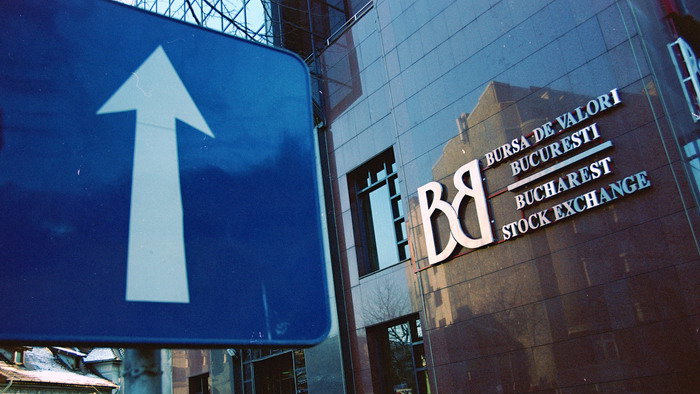
If it does overshoot the 6,100 point mark, the BET will reach its highest level since August 2008, before the collapse of the Lehman Brothers investment bank, which sent the world into a crisis.
BET has previously come close to this threshold in April 2010 and April 2011, but the market ran out of steam back then so it went back down.
The question is whether the market continues on its way up or history repeats itself.
Most analysts are optimistic and think the BET index will break the mold by the end of the year, after moving from a low of 4,200 points to a high of 6,100 since 2010.
“Technically speaking, the signs on the local market are encouraging as they were in June when I saw BET above 5,540,” says Dan Rusu, head of the research department of broker BT Securities.
“Although we are close to 6,100, a level that has generated pressure to sell in two separate occasions so far, in 2010 and 2011, I expect prices to continue rising beyond this key threshold.”
He sees the BET rising by 9% to 23% from the current about 6,043 points.
“I expect the BET to end the year at at least 6,600 and at 7,430 at best. Our BET-FI target is at least 28,400 for the end of the year (close to the March highs) and 29,500-30,000 at best.”
Alexandru Preda, technical analyst of Broker Cluj, believes the rather lateral development of the stock market in the last three years shows the upward trend of March 2009 has been consolidating and a spike from the 6,100 points for BET would confirm the medium and long-term continuation of the trend.
“This could be generated by the publication of the third quarter results due to start at the end of October. Signals from foreign markets are good: in mid September, the US market reached all time highs with both Dow Jones and S&P 500, and the German DAX did the same,” he said.
Preda expects the BET to fall 9% by yearend in a worst case scenario and go up 7.6% in a best case scenario and believes the latter is more likely to play out, because of the medium-term upward trend of the local and international markets.
Romania’s central bank decided to cut the key rate by 0.25% to 4.25% on Monday as analysts expected, after taking them by surprise with a 0.5% cut in August.
The impact of the central bank’s decision showed in the performance of the bank stocks mainly back then.
Dan Rusu believes that the rate cut will not have a major impact on the local market this time, while the Broker analyst believes the decision will have a medium term effect in that it will make borrowing costs for companies cheaper among other things.
The 18% increase in the bourse’s BET index since the beginning of the year was driven by the trend of Fondul Proprietatea shares, which increased 39% on the back of the hundreds of millions of euros paid to shareholders both as dividends and during the stock repurchase operations.
(English version by Loredana Fratila-Cristescu)