

Spicul bankruptcy means the end of a two-decade capitalism story with spectacular increases in the ‘90s, real estate deals of tens of million euros and a steep decline during the crisis years.
“Our strategy is to sell a plant that can start operating the next day, and not real estate assets,” Cristian Ravasila, manager at PwC, the company’s liquidator, told ZF.
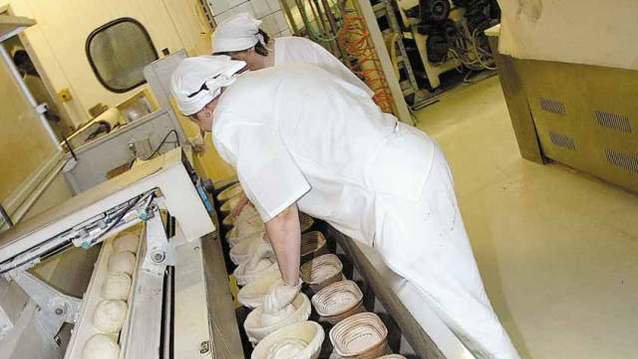
“Spicul plant will be sold in its entirety, as there’s synergy between its activity segments. The price will not go below EUR4.5 million,” adds Ravasila.
The company’s bankruptcy comes after four years of insolvency, a period during which its majority stakeholder, Gheorghe Ilie, tried but failed to find solutions to bring the business back to life.
BCR was the company’s largest creditor.
Spicul went from its peak to insolvency and bankruptcy in just seven years. Everything started back in 2006 when Spain’s Hercesa reached Gheorghe Ilie’s office and presented to him an offer for the land plot and plant located near Bucharest’s Carrefour Orhideea. At that moment, a EUR17 million deal was in the making.
The businessman signed the deal and bankers rushed to advise him on how to invest the money. Spicul majority stakeholder decided to stay in the bakery industry. He bet the money from the deal with Hercesa and other funds borrowed from banks on a project related to a plant raised from scratch in Rudeni locality. The stake was a bigger production capacity, new equipment and the possibility of expansion in the future.
Plans did not materialize, relocation did not last for a few months as initially expected, during almost one year and the wheat mill could not be installed in the new production center.
The producer gradually lost contact with the market during the relocation period and the lack of the mill forced Gheorghe Ilie to buy flour, not wheat, a lethal move considering raw material means at least 70% of the costs of any bakery plant.
This was doubled by the crisis.
Spicul started piling up losses and was cash-strapped. In the autumn of 2011, the company filed for insolvency.
(English version by Catalina Apostoiu)