
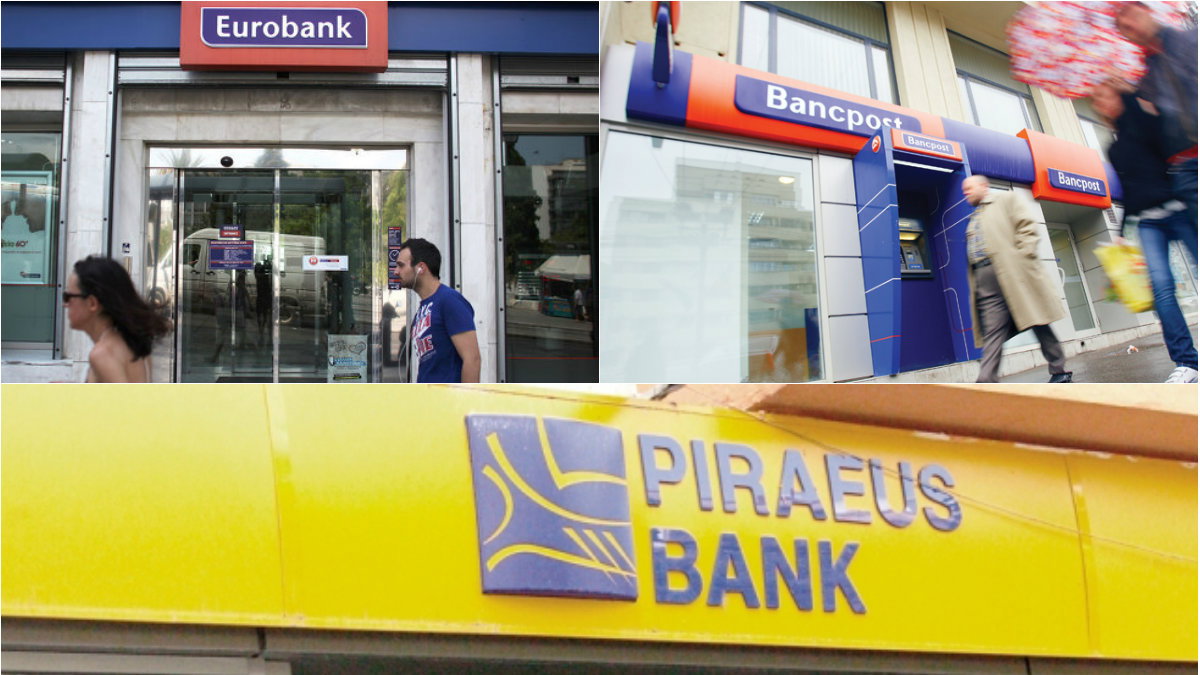
Greek group Piraeus would end up holding bank no. 7 on the Romanian market, with assets of EUR5.5 billion, if it took over Bancpost as part of a branch exchange with Eurobank.
Piraeus has a bank with assets of EUR1.8 billion and a 2% market share in Romania.
The scenario of the branch exchange between the two groups, whereby Eurobank would get two banks held by Piraeus in Bulgaria and Serbia in exchange for Bancpost, appeared this week in the Greek press and is part of a reorganization plan agreed with the European Commission.
Piraeus, which entered the Romanian market in 2000 through the acquisition of Credit Pater bank, ranks 11th in the Romanian banking system. Piraeus had loans of EUR1.5 billion after the first half of this year and deposits attracted from clients of EUR860 million. The Greek bank operated a network of 160 branches and agencies and had 1,900 employees.
Bancpost, one of the best-known brands in the Romanian banking sector, with an over 20-year history , ended up in the hands of Eurobank in 2003 after several transactions conducted by Eurobank with GE Capital, Banco Portugues de Investimento and the Romanian state.
Later, Eurobank boosted its stake to 99% by taking over shares from EBRD, IFC and the regional investment funds SIFs. Eurobank built around Bancpost a financial group with assets of EUR4 billion. Bancpost had deposits of EUR1.8 billion in mid-2013 and operated through a network of 242 offices and agencies. The bank had 3,000 employees.
A merger between Piraeus and Bancpost following the branch exchange would bring the new entity to no. 7 on the market, with a 5% asset-based share. The new bank would leave behind Alpha Bank, Volksbank and ING Bank, which currently have higher assets than those of Bancpost and Piraeus taken individually. Bancpost currently ranks 10th in the banking system and Piraeus 11th.
Officials of the two banks did not wish to comment on the branch exchange information. The information emerges after several failed attempts by Greek banks to consolidate through mergers after the banks were significantly affected by the Greek state sovereign debt crisis.
(English version by Daniela Stoican)