
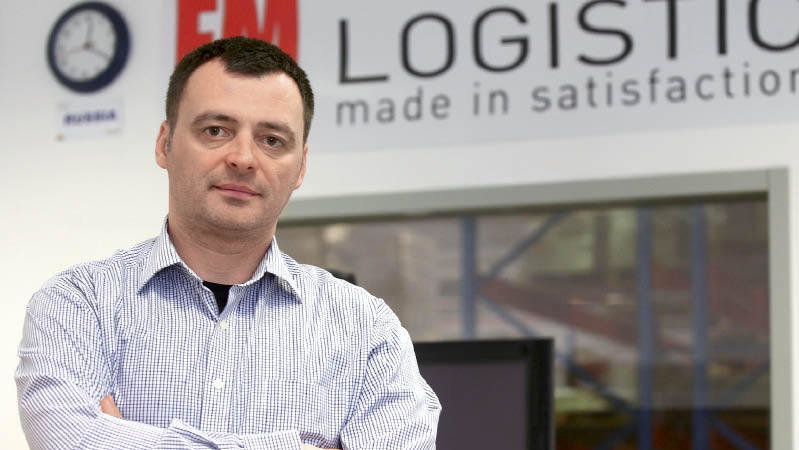

“Romania should be regarded as ‘Romania SRL’ by the government. The fact that we buy milk from Poland while Romania is a farming power in Europe is a national issue. Milk is cheaper there and we must ask ourselves why. As Poland had an education, support scheme in terms of EU absorption and as its farmers invested less from their own money and more from European money, it can now afford to sell much cheaper,” underscored Olteanu.
For instance, in Romania Pilos, Lidl’s brand, and K-Classic, Kaufland’s private label, held an overall 29% share of the packaged milk market last year, and both products are largely imported from European markets, including Poland.
“We can see Romanian products disappear because of flawed marketing,” said Olteanu.
French group Lactalis, which five years ago bought LaDorna brand from businessman Jean Valvis, embarked on a Romanian dairy plant shutdown campaign. The group relocated part of production to Poland.
As production and exports rise, together with the retail networks present on the Romanian market, logistics services also grow, supporting both production and exports.
The logistics market is worth over EUR3.5 billion annually and it continues to rise.
In Olteanu’s opinion, the next stage of retail expansion involves rural areas, where traditional retail is set to be replaced by modern one.
Beside retailers resorting to logistics companies, there’s a rising number of retailers doing their own logistics, such as Kaufland and Lidl. On the other hand, says FM head, logistics is generally an activity large players prefer to outsource as it takes additional headcount.
Between April 1, 2013 and March 31, 2014, FM Romania posted 6% lower revenue against the previous financial period, as the company lost a client.
“In 2013, we lost a major client, Procter&Gamble, and this led to a revenue decline, but we made up for the loss. We count on an increase to 22-23 million euros in the financial period that ends on March 31,” underscored Olteanu.
Revenue can also be supported by the introduction of the new fuel excise duty.
“From our policy, we can see we have growth potential. In this context, we can add 15% to revenue in 2014,” says Olteanu.
(English version by Catalina Apostoiu)