

Moreover, the egg shortage on the store shelves early this year has totally confused a EUR1 billion market, and the investors in the animal breeding sector saw their profits nearing zero after the boost in fodders prices.
1. Drought seriously affected Romanian farm yields: wheat harvest was down 30%, while corn dropped 60%
Drought and high temperatures during the summer season have seriously affected the productivity of the local farms and the total wheat crop was down by one third, to 4.7 million tons, while total corn output decreased by almost two thirds, to 4.7 million tons.
The first estimates show the loss of farmers’ cash-ins total EUR1.5 billion to EUR2 billion countrywide, as only 120,000 hectares, namely 1.5% of all arable lands are irrigated.
2. Prices for agricultural raw materials have boosted
The almost total lack of rainfalls during the summer time, the pessimistic forecasts prior to harvesting, as well as the evolution of international markets have led to an accelerated growth of the main quotations for agricultural raw materials.
For example, the price of wheat has increased from RON770/ton to RON1,000/ton in two-week time, from mid-July to early August. Corn price also accounted for a 30% increase, which touched a peak at RON1,100/ton in the fall.
Prices are equally expected to increase in 2013 considering analysts from Strategie Grains, one of the most respected European consultancy firms for the agricultural sector, have announced additional hikes in wheat price.
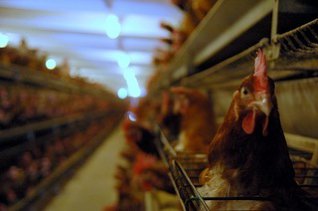 3. Fodder crisis: profits of animal breeders have shrunk
The accelerated growth of the prices for cereals and oleaginous seeds has caused a chain reaction in all sectors connected to agriculture. Thus, the animal breeding and meat processing sectors were among the most seriously affected considering that 70% to 80% of the costs of the companies involved in such businesses are covered by the animals’ food.
Romanian meat processors have been facing a downfall of the previous profit forecasts in only a couple of weeks, considering the fodder prices were up to 80% higher compared with the previous year.
4. Egg crisis affects EUR 1 billion market
The price of eggs has doubled in February in no more than one month, which has impacted a EUR1 billion market. The egg prices have increased upon the coming into force of a European regulation banning the sale of eggs from the fowl bred in cages as small as an A4 paper sheet.
5. Poienaru and Porumboiu chose corn and sunflower instead of rapeseed crops
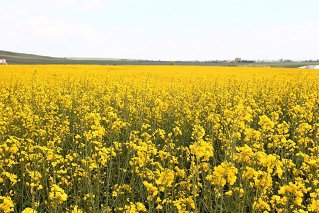 Stefan Poienaru and Adrian Porumboiu, two of the largest producers in the Romanian farming sector, were compelled to give up rapeseed crops, which were largely affected by the drought last fall.
The rapeseed output was disastrous at the national level, at below 100,000 tons, while in 2011 it was seven times higher.
6. Three minister changes at the Ministry of Agriculture
Year 2012 has also accounted for three minister changes at the Ministry of Agriculture, namely Valeriu Tabara, Stelian Fuia and Daniel Constantin. Fuia mandate has only lasted for one month due to the political turmoil in the spring.
7. Rabobank owns EUR20 million farming land in Romania
Dutch bank Rabobank has turned out to be one of the most aggressive investors in farming land on the local market in 2012. Bank representatives told ZF they already have an estimated portfolio at EUR20 million in land in several areas countrywide.
8. US’ largest agricultural equipments dealer enters Romanian market
Titan Machinery, the largest dealer of agricultural equipments in the United States, has entered Romania following the acquisition of Agroexpert Timisoara, subsequently renamed Titan Machinery Romania. The company said it eyes EUR40 million sales on the local market.
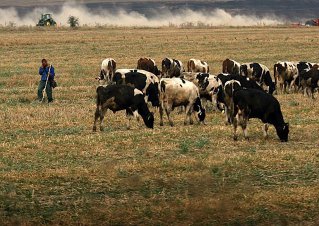 9. Cattle market continued its downfall
Romanian agriculture sector has become one of the last countries in the European Union by the cattle reserves, with 14.8 cattle heads per 100 hectares of agricultural land. The total number of cattle has decreased by more than two thirds over the past 20 years, to 1.9 million heads.
10. Agricover recruited Robert Rekkers, one of the most famous bankers
Robert Rekkers, 52, one of the most famous bankers on the local market, who has been leading for years lender Banca Transilvania (TLV.RO), has taken by surprise the Romanian business environment by entering the cereal trading sector. He was named member in Agricover’s Board of Directors, the fourth player on the local market of agricultural raw materials traders.
(English version by Manuela Panescu)